Community Pages July 1, 2026

Living in Sinking Spring, Pennsylvania


Overview

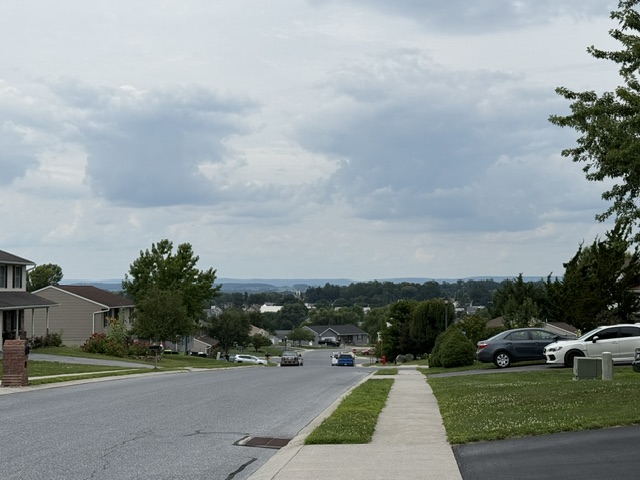
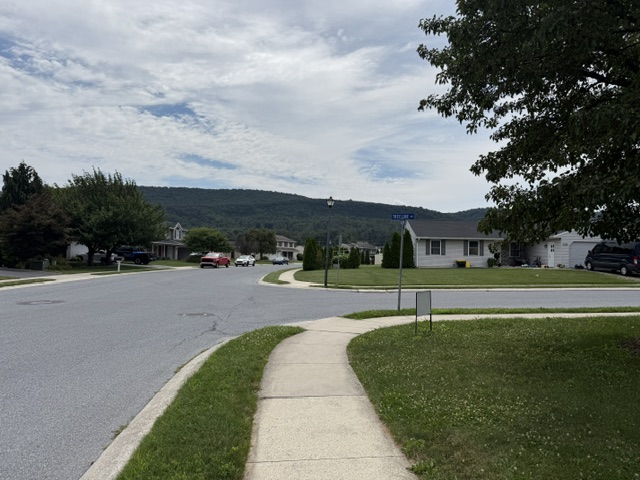
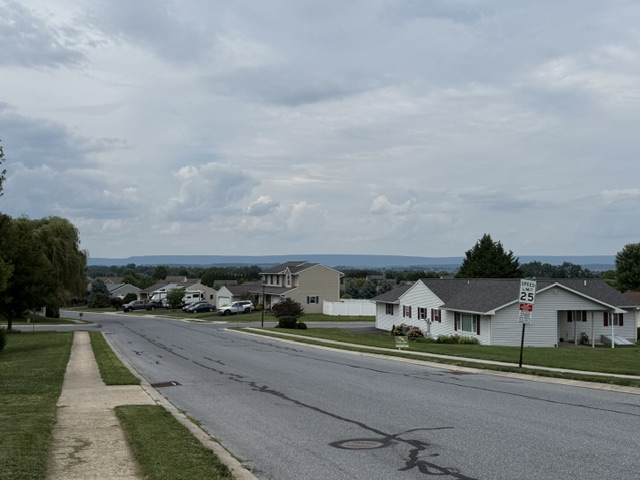
If you’re looking for a community that offers a suburban feel, convenient access to major roadways, and proximity to many of Berks County‘s amenities, Sinking Spring is worth considering.

Located just west of Reading, Sinking Spring has become a popular destination for families, professionals, and retirees who want easy access to shopping, dining, parks, and employment centers while still enjoying a strong sense of community.

Many homebuyers are drawn to Sinking Spring because it offers a balance between residential neighborhoods and everyday convenience.


Location

Sinking Spring is located in western Berks County and provides convenient access to several major transportation routes.

Residents enjoy easy access to:

  • Route 422
  • Route 222
  • Penn Avenue corridors
  • Nearby Reading
  • Wyomissing shopping districts

Its location makes commuting throughout Berks County relatively convenient, and many daily destinations can be reached within a short drive.


Housing Market

One of the appealing aspects of Sinking Spring is the variety of available housing.

Buyers can find:

  • Traditional single-family homes
  • Established suburban neighborhoods
  • Townhomes
  • Newer residential developments
  • Properties suitable for first-time homebuyers
  • Homes attractive to growing families

Because of its location and popularity, housing inventory can sometimes be competitive depending on market conditions.

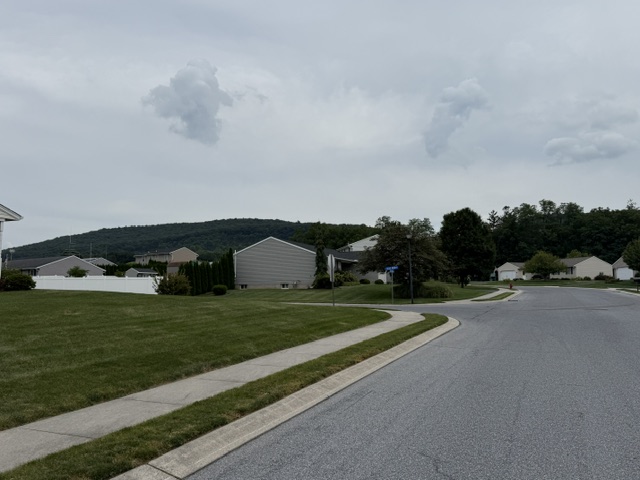
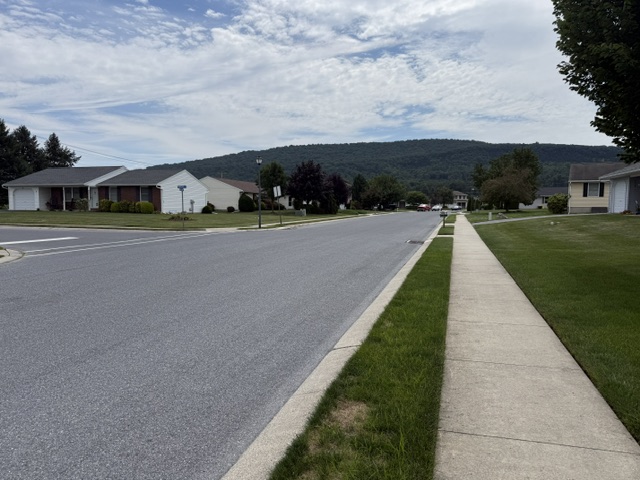
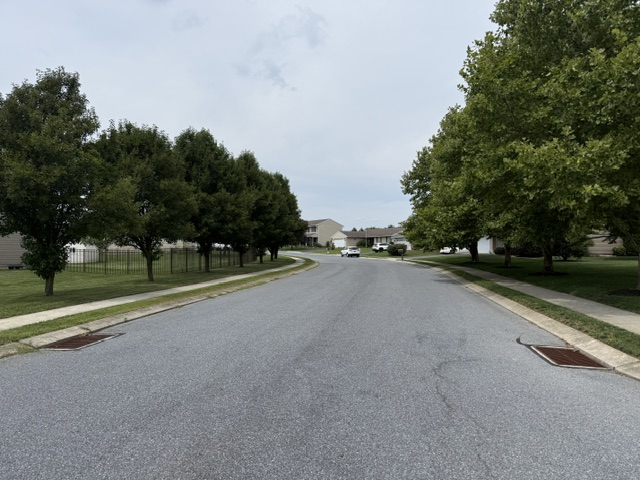
Many neighborhoods feature mature landscaping, sidewalks, and community-oriented layouts that appeal to long-term homeowners.


Schools

Many buyers considering Sinking Spring pay close attention to local school options.

The borough is primarily served by the Wilson School District, which is frequently a factor for buyers evaluating communities in western Berks County.

School preferences vary from family to family, and I always encourage buyers to research schools and educational opportunities that fit their specific needs.


Things To Do

Sinking Spring residents have access to a variety of recreational and entertainment opportunities.

Popular activities include:

  • Local parks
  • Walking and biking opportunities
  • Youth sports programs
  • Community events
  • Nearby golf courses
  • Recreational facilities throughout western Berks County

In addition, residents are only a short drive from attractions such as:

Many residents appreciate having access to both outdoor recreation and local entertainment without traveling far from home.


Shopping and Dining

One of Sinking Spring’s biggest advantages is its proximity to shopping and dining.

Residents enjoy convenient access to:

  • Grocery stores
  • Restaurants
  • Coffee shops
  • Medical facilities
  • Retail shopping centers
  • Fitness centers

Whether you’re running errands or meeting friends for dinner, many destinations are only minutes away.

This convenience is one reason why Sinking Spring remains attractive to homebuyers throughout Berks County.


Pros

  • Convenient location
  • Easy access to major roadways
  • Variety of housing options
  • Proximity to shopping and dining
  • Nearby parks and recreation
  • Strong community atmosphere
  • Popular school district options

Cons

  • Certain areas can experience heavier traffic during peak hours
  • Housing inventory may be limited during competitive markets
  • Home prices can vary significantly depending on neighborhood and location

As with any community, buyers should carefully evaluate their personal priorities when deciding whether Sinking Spring is the right fit.


Who Is Sinking Spring Best For?

Sinking Spring may be a great fit for:

  • First-time homebuyers
  • Growing families
  • Professionals
  • Commuters
  • Retirees
  • Buyers relocating to Berks County

The community appeals to a wide range of residents because it offers both convenience and neighborhood charm.


My Thoughts

As a REALTOR® serving Berks County, Sinking Spring is one of the communities many buyers ask about when they’re exploring western Berks County.

People are often attracted to its location, access to amenities, and variety of housing options. It offers a suburban lifestyle while remaining close to many of the services and conveniences that homeowners use every day.

While every buyer has different priorities, Sinking Spring continues to be a community worth considering for anyone relocating within or moving to Berks County.


Interested in Living in Sinking Spring?

If you’re considering buying a home in Sinking Spring or elsewhere in Berks County, I’d be happy to help you explore available properties and learn more about the local market.

Contact Ben Perfetto, REALTOR® with Coldwell Banker Realty, to learn more about homes for sale in Sinking Spring, PA.

Community Pages July 1, 2026

Living in Wyomissing, Pennsylvania


Overview

If you’re considering a move to Berks County, there’s a good chance you’ve already heard of Wyomissing. Known for its established neighborhoods, convenient location, and access to local amenities, Wyomissing remains one of the communities many buyers explore when searching for a home in Berks County.

Many buyers are drawn to Wyomissing because of its proximity to shopping, dining, healthcare facilities, employment centers, and recreational opportunities throughout the area.


Location

Wyomissing is located in central Berks County and sits directly adjacent to Reading.

Residents enjoy convenient access to:

  • Route 222
  • Route 422
  • Route 61
  • Pennsylvania Turnpike connections

Its central location makes commuting to many parts of southeastern Pennsylvania relatively convenient.


Housing Market

Wyomissing offers a wide variety of housing options.

You’ll find:

  • Historic homes
  • Traditional suburban neighborhoods
  • Luxury properties
  • Townhomes
  • Condominiums

Home prices are often higher than many surrounding communities due to the area’s popularity, school district, and location.

Many homes feature mature trees, established neighborhoods, and larger lots that can be difficult to find in newer developments.


Schools

One of Wyomissing’s biggest attractions is the Wyomissing Area School District.

Many families specifically target Wyomissing because of the district’s reputation and community involvement.

School preferences vary from family to family, but educational opportunities are often a major factor for buyers considering the area.


Things To Do

Residents have access to a variety of recreational opportunities.

Popular nearby attractions include:

There are numerous walking trails, parks, and community events throughout the year.


Shopping and Dining

Wyomissing offers some of the area’s most convenient shopping and dining options.

Residents enjoy easy access to:

  • Local restaurants
  • Grocery stores
  • Shopping centers
  • Medical offices
  • Fitness facilities

Many daily errands can be completed without long drives.


Pros

  • Central location
  • Strong community reputation
  • Variety of housing styles
  • Convenient shopping and dining
  • Nearby parks and recreation
  • Popular school district

Cons

  • Home prices can be higher than some neighboring communities
  • Inventory can be competitive
  • Property taxes and ownership costs should always be reviewed carefully before purchasing

Who Is Wyomissing Best For?

Wyomissing may be a great fit for:

  • Families
  • Professionals
  • Relocating buyers
  • Empty nesters
  • Individuals seeking a walkable and established community

My Thoughts

As a REALTOR® serving Berks County, Wyomissing remains one of the communities buyers ask me about most frequently.

Its combination of location, amenities, schools, and neighborhood character makes it one of the area’s most recognizable places to live.

Every buyer’s priorities are different, but Wyomissing consistently attracts attention from people relocating to the area as well as longtime Berks County residents.


Interested in Living in Wyomissing?

If you’re considering buying a home in Wyomissing or anywhere in Berks County, I’d be happy to discuss your goals and help you explore available housing options.

Contact Ben Perfetto, REALTOR® with Coldwell Banker Realty, to learn more about homes for sale in Wyomissing, PA.

Q&A June 30, 2026

What First-Time Homebuyer Programs Are Available in Pennsylvania?


Short Answer

Pennsylvania offers several programs designed to help first-time homebuyers achieve homeownership. Depending on your financial situation, you may qualify for assistance with down payments, closing costs, affordable loan options, or homebuyer education programs.

The exact programs available to you depend on factors such as income, location, credit history, and the type of home you’re purchasing.

Many first-time buyers are surprised to learn that assistance programs exist and can significantly reduce some of the financial challenges associated with buying a home.


Detailed Explanation

One of the biggest obstacles for first-time homebuyers is saving enough money to purchase a home.

Fortunately, Pennsylvania offers several resources designed to help make homeownership more accessible.

Many people assume they need perfect credit, a large down payment, and years of savings before they can start looking at homes. That’s often not the case. In fact, some buyers qualify for programs that make buying a home easier than they expected.

Pennsylvania Housing Finance Agency (PHFA)

One of the best-known resources for Pennsylvania homebuyers is the Pennsylvania Housing Finance Agency (PHFA).

PHFA offers a variety of programs that may help eligible buyers with:

As a result, many first-time buyers begin their research with PHFA because its programs are specifically designed to support homeownership throughout Pennsylvania.

FHA Loans

Another popular option for first-time buyers is FHA financing.  Many buyers choose FHA loans because they often offer flexible qualification requirements and low down payment options.

It’s important to note that FHA loans are not exclusively for first-time buyers. However, they are commonly used by people purchasing their first home.

If you’ve read my article on Which Is Better: An FHA Loan or a Conventional Loan?, you’ll know that FHA financing can be a great option for some buyers.

Conventional Loan Programs

Many buyers are surprised to learn that conventional loans can also offer low down payment options.

Depending on your financial profile, a conventional loan may provide:

  • Competitive interest rates
  • Lower long-term mortgage insurance costs
  • Flexible financing options

Because every situation is different, it’s worth exploring both FHA and conventional financing before making a decision.

Homebuyer Education Programs

Some assistance programs require completion of a homebuyer education course.

These courses often cover:

In addition, many buyers find these courses helpful because they provide a better understanding of what to expect throughout the transaction.

Local Grant and Assistance Opportunities

Beyond state-level programs, some municipalities, employers, nonprofit organizations, and housing agencies may offer assistance programs designed to encourage homeownership.

Program availability changes over time. Therefore, it’s always a good idea to verify current eligibility requirements before making plans around a specific program.


Local Berks County Considerations

For buyers in Berks County, first-time homebuyer assistance can be especially valuable.

Whether you’re looking for a home in:

  • Wyomissing
  • Reading
  • Sinking Spring
  • West Lawn
  • Wernersville
  • Exeter Township
  • Shillington

understanding your financing options before house hunting can make the process much less stressful.

Home prices, taxes, insurance costs, and lender requirements vary from one transaction to another. Because of this, financing often has a bigger impact on affordability than many buyers realize.

I’ve found that many first-time buyers focus entirely on finding the perfect home. Meanwhile, they may spend very little time learning about the financing options available to them.

That’s often a mistake.

I regularly meet buyers who believe they need tens of thousands of dollars saved before they can even begin the process.  Then they speak with a lender.  Sometimes the conversation changes completely.  They discover they have more options than they thought.

That’s why I encourage buyers to explore available programs early rather than assuming homeownership is out of reach.


My Advice

Don’t spend months researching programs online without speaking to a lender.  The internet is a great place to gather information. However, a lender can tell you which programs may actually apply to your situation.

Every buyer is different.  The program that works well for one person may not be the best fit for someone else.

That’s why I recommend finding out:

  • Your current credit profile
  • Your purchasing power
  • Potential loan options
  • Available assistance programs

The sooner you understand those factors, the easier it becomes to build a plan.  Even if you’re not ready to buy today, you’ll know what steps to take moving forward.

Most importantly, don’t assume you can’t buy a home until you’ve spoken with a professional.

You may be much closer to homeownership than you think.


Frequently Asked Questions

Who Qualifies as a First-Time Homebuyer?

Many programs define a first-time homebuyer as someone who has not owned a primary residence within the previous three years. Program requirements can vary.

Can First-Time Homebuyers Get Help With a Down Payment?

Some programs offer assistance for down payments and closing costs, although eligibility requirements vary.

Do First-Time Homebuyers Need Perfect Credit?

No. Many buyers become homeowners without perfect credit. Loan options and program availability depend on the individual’s overall financial profile.

Are First-Time Homebuyer Programs Only for Young People?

No. First-time homebuyer programs are based on eligibility requirements, not age.

Should I Talk to a REALTOR® or a Lender First?

Either can be a great starting point. A REALTOR® can explain the buying process, while a lender can help determine financing options and purchasing power.


Ready to Take the Next Step?

If you’re a first-time homebuyer interested in purchasing a home in Berks County or anywhere in Pennsylvania, I’d be happy to help you understand the process and connect you with trusted local lenders who can discuss available financing and assistance programs.

Homeownership may be closer than you think.

Contact Ben Perfetto, REALTOR® with Coldwell Banker Realty, to discuss your goals and learn more about buying your first home in Pennsylvania.

Q&A June 30, 2026

Which Is Better: An FHA Loan or a Conventional Loan?


Short Answer

There isn’t a single “best” option for everyone.

For some buyers, an FHA loan may be the better choice because it generally offers more flexible qualification requirements. For others, a conventional loan may provide lower long-term costs and more favorable mortgage terms.

The right loan depends on your credit score, down payment, debt-to-income ratio, and overall financial situation.

The best way to determine which loan is right for you is by speaking with a qualified mortgage lender who can review your specific circumstances.


Detailed Explanation

One of the most common questions I hear from homebuyers is:

“Should I use an FHA loan or a conventional loan?”

The answer depends on your unique financial situation, but understanding the differences can help you make a more informed decision.

What Is an FHA Loan?

An FHA loan is a mortgage insured by the Federal Housing Administration.  These loans were designed to make homeownership more accessible, particularly for first-time buyers and individuals who may not have perfect credit.

Some potential advantages of FHA loans include:

  • Lower minimum down payment requirements
  • More flexible credit guidelines
  • Easier qualification for some buyers
  • Potentially beneficial for first-time homebuyers

Because FHA loans are government-insured, lenders may be willing to work with buyers who have financial profiles that might not meet certain conventional loan requirements.

What Is a Conventional Loan?

A conventional loan is a mortgage that is not backed by a government agency.

These loans are often popular among buyers with stronger financial profiles and may offer certain advantages over FHA financing.

Potential benefits of conventional loans include:

  • Lower overall borrowing costs for some buyers
  • Flexible loan terms
  • Potentially easier removal of private mortgage insurance (PMI)
  • Competitive interest rates for well-qualified borrowers

Many conventional loan programs also offer low-down-payment options, which surprises buyers who assume FHA is their only choice.

Credit Score Considerations

One of the biggest factors influencing loan selection is credit score.

Generally speaking:

  • Buyers with lower credit scores often explore FHA financing.
  • Buyers with stronger credit profiles may find conventional financing attractive.

However, every lender is different, and credit score is only one piece of the puzzle.

Down Payment Considerations

Many buyers believe FHA loans always require less money upfront.  In reality, both FHA and conventional loan programs may offer relatively low down payment options for qualified buyers.

That’s why it’s important not to assume which loan is best before speaking with a lender.

Mortgage Insurance

Mortgage insurance is another important difference between FHA and conventional loans.  Depending on the circumstances, FHA loans may require mortgage insurance for a longer period of time.  Conventional loans may allow buyers to remove mortgage insurance once certain equity requirements are met.

For many buyers, this can have a significant impact on long-term housing costs.


Local Berks County Considerations

Buyers throughout Berks County often ask whether FHA or conventional financing will make their offer stronger.

The truth is that every transaction is different.

Whether you’re shopping for a home in:

  • Wyomissing
  • Reading
  • Sinking Spring
  • Wernersville
  • West Lawn
  • Exeter Township

the most important thing is understanding your buying power before you start shopping.

In competitive markets, buyers sometimes discover that one loan program may better align with their financial goals than another.  I’ve also worked with buyers who initially assumed they needed FHA financing, only to qualify for conventional financing after speaking with a lender.

The reverse is true as well.

Many buyers find FHA loans help them achieve homeownership sooner than they expected.  That’s why I always encourage buyers to compare options rather than focusing on a single loan type.


My Advice

Don’t become emotionally attached to a loan program before you know your options.  I’ve met buyers who spent months researching FHA loans only to discover a conventional loan made more sense for their situation.  I’ve also met buyers who thought conventional financing was their only option and later learned FHA financing could help them purchase a home sooner.

The smartest thing you can do is get pre-approved and allow a qualified lender to compare multiple financing scenarios.  You might be surprised by what is available to you.

Homeownership isn’t about finding the perfect loan.  It’s about finding the loan that helps you achieve your goals while remaining financially comfortable.


Frequently Asked Questions

Is an FHA Loan Easier to Qualify For?

Many buyers find FHA loans offer more flexible qualification requirements, particularly when it comes to credit history and down payment requirements.

Do FHA Loans Require Mortgage Insurance?

FHA loans generally require mortgage insurance, although the specifics depend on the loan and borrower situation.

Is a Conventional Loan Better Than an FHA Loan?

Not necessarily. The best option depends on your credit profile, down payment, financial goals, and lender recommendations.

Can First-Time Homebuyers Use Conventional Loans?

Yes. Many first-time homebuyers successfully use conventional financing.

Should I Compare Both Options?

Absolutely. Many buyers benefit from comparing FHA and conventional financing before deciding which loan best meets their needs.


Ready to Explore Your Home Financing Options?

Choosing between an FHA loan and a conventional loan can feel overwhelming, but you don’t have to figure it out alone.

If you’re considering buying a home in Berks County, I’d be happy to connect you with trusted local lenders who can explain your options and help you determine which financing program best fits your needs.

Contact Ben Perfetto, REALTOR® with Coldwell Banker Realty, to learn more about buying a home in Pennsylvania and taking the next step toward homeownership.

Q&A June 30, 2026

What Are Closing Costs in Pennsylvania?


Short Answer

Closing costs are the expenses associated with finalizing a real estate transaction. They are separate from your down payment and typically include things like lender fees, appraisal fees, title insurance, recording fees, and prepaid taxes or insurance.

While every transaction is different, many Pennsylvania homebuyers should expect closing costs to total approximately 2% to 5% of the home’s purchase price.

The good news is that closing costs aren’t usually a surprise. Most buyers receive estimates upfront so they can prepare before settlement day.


Detailed Explanation

One of the most common questions I hear from homebuyers is:

“If I have my down payment, am I ready to buy?”

The answer is:  Maybe.

Many buyers focus so much on saving for a down payment that they forget about closing costs.

Think of closing costs as the expenses required to legally complete the purchase of a home.

Depending on the transaction, closing costs may include:

Loan Origination Fees

Some lenders charge fees for processing and underwriting your mortgage application.

These costs can vary depending on the lender and the loan program you’re using.

Appraisal Fee

Most lenders require an appraisal to determine the property’s market value.

The appraisal helps protect both the buyer and the lender by confirming the home is worth the agreed-upon purchase price.

Title Insurance

Title insurance protects buyers and lenders against potential ownership disputes or title issues that may arise after the purchase.

This is a standard part of many real estate transactions.

Recording Fees

Local governments charge fees to officially record the transfer of ownership and related mortgage documents.

Homeowners Insurance

Most lenders require homeowners insurance before closing.

Depending on the situation, you may need to pay a portion of your policy upfront.

Property Taxes

It’s common for lenders to collect money at closing to help fund your future property tax payments through an escrow account.

Interest and Escrow Deposits

Depending on your closing date, your lender may collect prepaid interest and initial escrow deposits for taxes and insurance.


What Does This Mean in Real Life?

Let’s say you’re purchasing a $300,000 home.

A buyer might need:

  • Down payment
  • Closing costs
  • Home inspection costs
  • Moving expenses

A buyer who plans only for a down payment may be surprised to discover additional funds are needed before closing.

That’s why understanding the full picture early in the process is so important.

The exact amount varies from transaction to transaction, but that’s why working with a lender early can be extremely helpful.


Local Berks County Considerations

If you’re buying a home in Berks County, closing costs can vary depending on several factors.

Some of those factors include:

  • Purchase price
  • Municipality
  • School district
  • Property taxes
  • Loan program
  • Lender requirements

For example, buyers looking in:

  • Wyomissing
  • Reading
  • Sinking Spring
  • Wernersville
  • Exeter Township
  • West Lawn

may encounter different property tax scenarios depending on the location of the home.

This is one reason I encourage buyers to focus on their total monthly payment rather than just the listing price.  A home that appears affordable at first glance may have different tax implications than a similar property in a neighboring municipality.

In today’s market, buyers should also discuss potential seller concessions with their lender and real estate professional.  In some situations, sellers may be willing to help offset certain buyer costs as part of the negotiation process.


My Advice

Don’t let the phrase “closing costs” scare you.  Most buyers are nervous when they hear the term because they don’t know what it means.

The reality is that closing costs are simply part of buying a home, and they can usually be estimated fairly accurately before you ever make an offer.

One of the smartest things a buyer can do is meet with a lender early in the process.

Doing so allows you to understand:

  • Your potential monthly payment
  • Your estimated down payment
  • Your estimated closing costs
  • Your total cash-to-close amount

I always tell buyers that knowledge reduces stress.  The more information you have upfront, the more confident you’ll feel when it’s time to make an offer and move toward settlement.


Frequently Asked Questions

Are Closing Costs Included in My Down Payment?

No. Closing costs are generally separate expenses from your down payment.

How Much Are Closing Costs in Pennsylvania?

Many buyers should expect closing costs to total approximately 2% to 5% of the home’s purchase price, although actual costs vary.

Can the Seller Pay Some of My Closing Costs?

In some situations, buyers may negotiate seller concessions that help offset certain closing expenses.

When Are Closing Costs Paid?

Closing costs are typically paid at settlement when the transaction is finalized.

Will I Know My Closing Costs Before Settlement?

Yes. Lenders generally provide estimates throughout the transaction, including a Closing Disclosure before closing.


Ready to Take the Next Step?

If you’re thinking about buying a home and wondering how much cash you’ll actually need at closing, I’d be happy to help you understand the process and connect you with trusted local lenders who can provide personalized estimates.

Every buyer’s situation is different, but having the right information can make the homebuying process much easier to navigate.

Contact Ben Perfetto, REALTOR® with Coldwell Banker Realty, to learn more about buying a home in Berks County and throughout Pennsylvania.

Q&A June 30, 2026

What Credit Score Do I Need to Buy a Home in Pennsylvania?


Short Answer

The minimum credit score needed to buy a house depends on the loan program you’re using.

Many buyers can qualify for a mortgage with a credit score as low as the mid-500s, while others may need a score of 620 or higher depending on the lender and loan type.

The good news is that you don’t need perfect credit to become a homeowner. In fact, many first-time homebuyers are surprised to learn they qualify sooner than they expected.


Detailed Explanation

One of the biggest myths in real estate is that you need excellent credit to buy a home.

While a higher credit score can help you qualify for better interest rates and loan terms, it doesn’t automatically prevent someone with less-than-perfect credit from becoming a homeowner.

Generally speaking:

  • FHA loans are often more flexible with credit requirements.
  • Conventional loans typically require stronger credit profiles.
  • VA and USDA loans have their own eligibility requirements.

Your credit score affects several things, including:

Your Interest Rate

A higher credit score often means lower borrowing costs.

Even a small difference in interest rate can impact your monthly payment and the amount you pay over the life of the loan.

Your Loan Options

Some loan programs are available to buyers with lower credit scores, while others may require stronger credit histories.

A lender can help determine which options may be available based on your financial situation.

Your Down Payment Requirements

In some cases, your credit profile may influence the amount of money required upfront.

Every lender evaluates risk differently, which is why it’s a good idea to speak with a qualified mortgage professional rather than assuming you don’t qualify.

More Than Just a Number

Many buyers focus entirely on their credit score, but lenders look at much more than that.

They may also review:

  • Income
  • Employment history
  • Existing debt
  • Savings
  • Assets
  • Payment history

I’ve seen buyers with lower-than-expected credit scores qualify because they had strengths in other areas of their financial profile.


Local Berks County Considerations

As a REALTOR® serving Berks County, I’ve met many buyers who spent months worrying about their credit score before ever speaking with a lender.

In many cases, they were closer to homeownership than they realized.

Whether you’re looking in:

  • Wyomissing
  • Reading
  • Sinking Spring
  • Wernersville
  • West Lawn
  • Exeter Township

the first step is understanding your current financial situation.

Many lenders serving Berks County and the surrounding areas work with first-time homebuyers every day and can often identify potential financing options that buyers weren’t aware existed.

If your credit score isn’t quite where you’d like it to be yet, that’s okay.

Knowing where you stand gives you an opportunity to create a plan and set realistic goals.

Sometimes buyers only need a few months of improved payment history, reduced credit card balances, or correction of reporting errors before they’re ready to move forward.


My Advice

Don’t disqualify yourself.

I can’t tell you how many times I’ve heard someone say:  “My credit isn’t good enough to buy a house.”  Only for them to learn later that they could have qualified much sooner.

The worst thing a lender can tell you is that you’re not quite ready yet.

If that’s the case, you’ll leave the conversation with a roadmap showing exactly what needs to be improved and how long it may take.  That’s far better than spending years wondering whether homeownership is possible.  The people who successfully buy homes aren’t always the people with perfect credit.

Often, they’re the people who took the time to understand their options and made a plan.


Frequently Asked Questions

Do I Need Perfect Credit to Buy a House?

No. Many buyers are approved for mortgages without having perfect credit.

Can I Buy a House with a 620 Credit Score?

Many loan programs are available to buyers with credit scores around 620, although eligibility varies by lender and loan type.

Can I Buy a House with Bad Credit?

Potentially. Every buyer’s situation is different. Loan program requirements, income, debts, and assets can all affect eligibility.

Will Checking My Credit Hurt My Score?

Mortgage lenders can explain how the credit review process works, but obtaining information about your options is often an important first step toward homeownership.

What If My Credit Isn’t Ready Yet?

A lender may be able to recommend specific steps that could improve your mortgage readiness in the future.


Ready to Find Out Where You Stand?

If you’re thinking about buying a home in Berks County, the best thing you can do is get accurate information about your options.

I’d be happy to connect you with trusted local lenders who can review your situation, answer your questions, and help you determine the best path toward homeownership.

Contact Ben Perfetto, REALTOR® with Coldwell Banker Realty, to discuss your homeownership goals and take the next step toward buying a home in Pennsylvania.

Q&A June 30, 2026

How Much Money Do I Need to Buy a Home in Pennsylvania?


Short Answer

One of the biggest misconceptions about buying a home is that you need a 20% down payment. Fortunately, that’s simply not true for many buyers.

In Pennsylvania, many homebuyers can purchase a home with as little as 3% to 3.5% down, depending on the loan program they qualify for. In addition to a down payment, buyers should also plan for closing costs, inspections, insurance, and other expenses associated with purchasing a home.

The exact amount you’ll need depends on your financial situation, the type of loan you’re using, and the price of the home you’re hoping to buy.


Detailed Explanation

If you’re asking yourself, “How much money do I need to buy a home in Pennsylvania?” you’re already asking one of the smartest questions a homebuyer can ask.

The answer is different for everyone, but understanding the expenses involved can help you prepare and avoid surprises.

Down Payment

The down payment is often the first expense buyers think about.

For example:

  • A 3% down payment on a $250,000 home would be $7,500.
  • A 3.5% down payment on a $250,000 home would be $8,750.
  • A 5% down payment on a $250,000 home would be $12,500.

Many buyers are surprised to learn that they may qualify for loan programs that require much less than they expected.

Some common mortgage options include:

  • Conventional loans
  • FHA loans
  • VA loans for eligible veterans and service members
  • USDA loans for eligible rural properties

Each loan program has different requirements, so it’s important to speak with a qualified lender about your specific situation.

Closing Costs

In addition to your down payment, you’ll typically have closing costs.

Closing costs can include:

  • Loan origination fees
  • Appraisal fees
  • Title insurance
  • Recording fees
  • Escrow deposits
  • Homeowners insurance premiums

Many buyers should expect closing costs to total approximately 2% to 5% of the home’s purchase price, although actual costs vary depending on the transaction.

Home Inspection

While not always required by a lender, a home inspection is one of the most important investments a buyer can make.

A professional inspection can help identify:

  • Roof issues
  • Electrical concerns
  • Plumbing problems
  • Foundation concerns
  • Heating and cooling system issues

The relatively small cost of an inspection can potentially save thousands of dollars later.

Earnest Money Deposit

When submitting an offer, buyers often provide an earnest money deposit.

This deposit demonstrates that the buyer is serious about purchasing the property and is typically credited toward the purchase at closing.

The required amount varies from transaction to transaction.

Moving Expenses

Many buyers focus so much on qualifying for the mortgage that they forget about moving expenses.

Don’t forget to budget for:

  • Moving trucks
  • Utility transfers
  • Furniture
  • Appliances
  • Minor repairs
  • Paint and updates

These expenses can add up quickly.

Emergency Savings

One of my biggest recommendations is to avoid spending every dollar you have on the purchase itself.

Homeownership can come with unexpected expenses, and maintaining an emergency fund can help reduce stress if repairs or maintenance issues arise after closing.


Local Berks County Considerations

As a REALTOR® serving Berks County, I’ve found that many buyers underestimate how different costs can be from one community to another.

For example, purchasing a home in:

  • Wyomissing
  • Sinking Spring
  • West Lawn
  • Exeter Township
  • Wernersville

may involve different price points and property tax considerations than other areas of Reading and Berks County.

Buyers should also consider:

Property Taxes

Property taxes can vary significantly depending on the municipality, county, and school district.

When evaluating affordability, it’s important to look beyond the home’s purchase price and understand the total monthly payment.

Homeowners Associations

Some communities have homeowner associations (HOAs) that charge monthly or annual fees.

These fees may cover services such as:

  • Common area maintenance
  • Snow removal
  • Landscaping
  • Community amenities

School Districts

Many buyers moving into Berks County place a strong emphasis on school districts.

Communities associated with highly sought-after school districts often have different pricing trends than neighboring communities.

Competitive Market Conditions

Depending on market conditions, buyers may occasionally need additional funds for:

  • Appraisal gaps
  • Inspection negotiations
  • Stronger offer terms

The amount of cash needed can vary significantly based on the current real estate market.


My Advice

If you’re thinking about buying a home, don’t make the mistake of deciding that you’re not ready without first talking to a lender.

I’ve spoken with many buyers who assumed they needed:

Only to discover they were much closer to homeownership than they thought.

The best first step isn’t browsing homes online.  The best first step is understanding your financial position today.

A qualified lender can help determine:

  • How much home you can afford
  • What loan programs you qualify for
  • How much money you’ll need to bring to closing
  • What steps, if any, you should take before buying

Even if you’re six months or a year away from purchasing a home, having a plan can make the process much less intimidating.

Homeownership isn’t out of reach for as many people as they think.


Frequently Asked Questions

Do I Need a 20% Down Payment to Buy a House?

No. Many buyers purchase homes with significantly less than 20% down depending on the loan program they qualify for.

Can I Buy a House with No Money Down?

Some buyers may qualify for VA or USDA loan programs that offer little or no down payment requirements.

Are Closing Costs Separate from the Down Payment?

Yes. Closing costs are typically separate expenses that should be considered in addition to your down payment.

Is Financial Assistance Available for Homebuyers in Pennsylvania?

Some buyers may qualify for assistance programs, grants, or special financing options. A lender can help determine eligibility.


Ready to Take the Next Step?

If you’re considering buying a home in Berks County or anywhere in Pennsylvania, I’d be happy to help you understand the process and connect you with trusted local lenders who can help you evaluate your options.

Whether you’re a first-time buyer or simply exploring your possibilities, having the right information is the first step toward reaching your homeownership goals.

Contact Ben Perfetto, REALTOR® with Coldwell Banker Realty, to discuss your real estate goals and learn more about buying a home in Berks County.