Q&A • Sellers • July 7, 2026

Should I Sell My Home Before Buying Another?


Introduction

One of the most common questions homeowners ask is:

“Should I sell my current home before buying another one?”

It’s a great question, and unfortunately, there isn’t a one-size-fits-all answer.

Some homeowners choose to sell first because it gives them a clearer understanding of what they can afford. Others prefer to buy first because they want to secure their next home before putting their current property on the market.

The best approach depends on your finances, your goals, and the local real estate market.


Why Some Homeowners Choose to Sell First

Selling first can provide certainty.

Once your home is sold, you’ll know exactly how much equity you have available to put toward your next purchase. You’ll also have a better understanding of your budget and may feel more comfortable searching for your next home.

Some potential benefits of selling first include:

  • Knowing how much money you’ll have available for your next purchase
  • Avoiding two mortgage payments at the same time
  • Reducing financial uncertainty
  • Making it easier to qualify for your next loan

For many homeowners, selling first simply feels less stressful because it removes some of the financial unknowns.


Why Some Homeowners Choose to Buy First

Others prefer to purchase their next home before selling their current one.

This approach allows homeowners to secure a property they love before worrying about moving out of their existing home.

Potential benefits of buying first include:

  • More flexibility during the moving process
  • Avoiding temporary housing arrangements
  • More time to prepare your current home for sale
  • The ability to move directly into your next home

Of course, buying first can create additional financial considerations, so it’s important to discuss your options with both a lender and a REALTOR® before moving forward.


What Should You Consider?

Every situation is unique, but there are a few important questions worth asking.

How Much Equity Do You Have?

The amount of equity in your current home may influence your ability to purchase another property before selling.

What Does The Current Market Look Like?

In some markets, homes sell quickly. In others, homes may stay on the market longer.

Understanding local market conditions can help you make a more informed decision.

Do You Need The Proceeds From Your Current Home?

Many homeowners use the equity from their existing property toward the down payment on their next home.

If that’s part of your plan, selling first may be worth considering.

How Comfortable Are You With Risk?

Some people are comfortable carrying two properties for a period of time. Others prefer a more predictable path.

Neither approach is right or wrong. The goal is to choose the strategy that best aligns with your financial situation and comfort level.


My Advice

The biggest mistake I see homeowners make is assuming they have to figure everything out on their own.

You don’t.

A conversation with a REALTOR® and a lender can often help you understand your options long before you’re ready to make a move.

Many homeowners are surprised to learn that there are multiple ways to structure a sale and purchase timeline depending on their goals.

The earlier you begin planning, the more options you’ll usually have available.


Frequently Asked Questions

Can I sell my home and buy another one at the same time?

Yes. Many homeowners successfully coordinate the sale of one property and the purchase of another. Planning ahead is important because timing can play a significant role in the process.

What if I can’t find a home after selling mine?

Some homeowners negotiate additional occupancy time after closing, while others arrange temporary housing. Every situation is different.

Can I buy a home before selling my current one?

Possibly. Your lender can help determine whether you qualify based on your income, debts, assets, and available equity.

Is it better to sell or buy first?

Neither option is automatically better. The right choice depends on your goals, finances, and local market conditions.


Ready To Discuss Your Options?

If you’re thinking about selling your current home and purchasing another one, I’d be happy to help you explore your options and create a plan that fits your goals.

Contact Ben Perfetto, REALTOR® with Coldwell Banker Realty, to discuss your next move.
Community News • Community Pages • July 7, 2026

Why Railroads Still Matter in Reading, Pennsylvania

Introduction

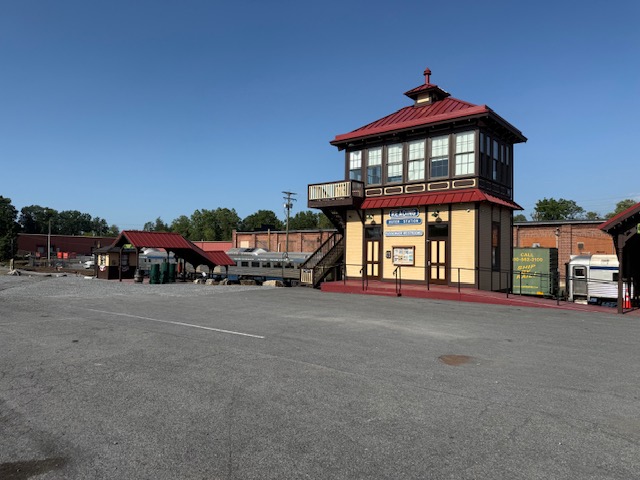
I recently visited the Reading Outer Station along Route 61 after learning that Union Pacific’s famous Big Boy locomotive was traveling through the region.

Although I arrived after much of the crowd had dispersed, it was immediately clear that the event had generated significant interest throughout Berks County and beyond. Seeing the station, historic railroad equipment, and station grounds reminded me of something that is easy to overlook in everyday life: railroads played a major role in shaping Reading, Pennsylvania.

For many people, trains are simply part of the landscape. However, for Reading, railroads helped build the city, support local businesses, connect communities, and contribute to the region’s growth for generations.

Reading Railroad Outer Station


Big Boy’s Visit to Reading

The opportunity to see Big Boy attracted railroad enthusiasts and visitors from across the region.

For those unfamiliar with it, Big Boy is one of the most famous steam locomotives ever built and remains a symbol of American railroad history. Its visits often attract large crowds because opportunities to see it in operation are relatively rare.

While I wasn’t able to experience the event at its peak, I was still able to walk the station grounds, observe the remaining setup, and capture footage of the area. Even after much of the activity had concluded, it was obvious that the event had brought significant attention to the station and the area’s railroad heritage.

Events like this demonstrate something interesting: people still care about railroad history.

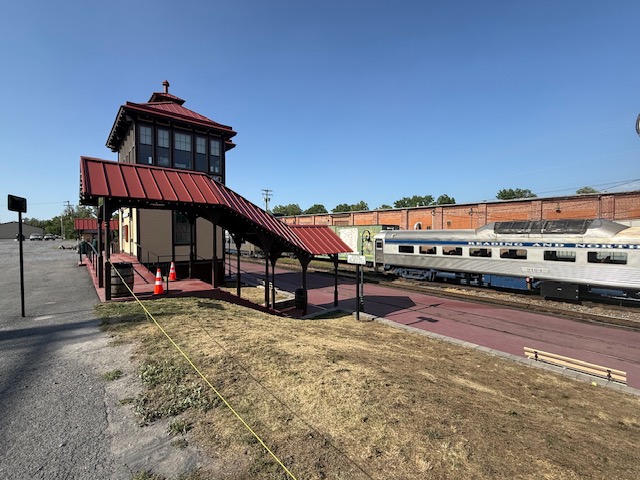
Railroad Infrastructure


Reading’s Railroad Heritage

Railroads have been connected to Reading for generations.

The city’s growth was closely tied to transportation and industry, and railroads played an important role in moving materials, manufactured goods, and people throughout Pennsylvania and beyond. Long before modern highways became the primary transportation network, trains helped connect communities and support economic growth.

Many local residents are familiar with the historic connection between Reading and the railroad industry. Even today, railroad infrastructure remains visible throughout the city and serves as a reminder of a period when rail transportation was one of the driving forces behind regional development.

The Reading Outer Station and Reading Railroad Heritage Museum help preserve that history and provide visitors with a chance to learn more about the people, equipment, and innovations that helped build the region.

Locomotive and Water Tower


Why Railroads Still Matter Today

It would be easy to think of railroads as something that belongs entirely to the past, but their influence can still be seen today.

Transportation infrastructure has always played a major role in how communities grow and develop. Whether discussing roads, railroads, airports, or public transit, access and connectivity remain important factors in economic activity and community development.

Railroads continue to spark conversations about transportation, redevelopment, tourism, and regional growth. Historic stations, rail corridors, museums, and preservation efforts help keep local history alive while also creating opportunities for education and community engagement.

The large turnout for Big Boy’s visit demonstrated that interest in railroad heritage remains strong. People are still willing to gather, learn, and celebrate a piece of history that helped shape the communities they live in today.

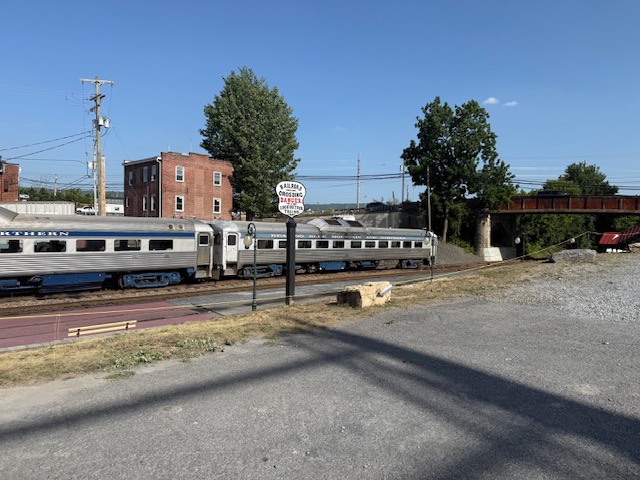
Reading Passenger Rail


My Thoughts

As a REALTOR® serving Berks County, I spend a lot of time learning about the communities I work in.

Visiting the Reading Outer Station reminded me that many of the things we see around us today—including transportation infrastructure, commercial development, and neighborhood growth—didn’t happen by accident. They were influenced by generations of investment, planning, and economic activity, much of which was supported by the railroad.

Understanding local history helps provide context for where a community has been and where it may be headed in the future.

Reading continues to evolve, but its railroad heritage remains an important part of its identity. Events like this are a reminder that local history still matters and that many residents continue to take pride in preserving it.

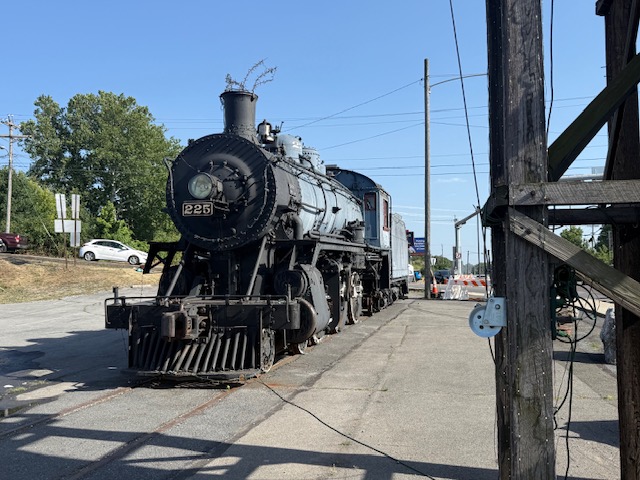
Reading Locomotive


Interested in Learning More About Reading, PA?

If you’re considering buying or selling a home in Reading or anywhere in Berks County, I’d be happy to help you learn more about the local market and the communities that make this area unique.

Contact Ben Perfetto, REALTOR® with Coldwell Banker Realty, to discuss your real estate goals and learn more about living in Reading, Pennsylvania.

Guides • July 2, 2026

Pennsylvania Ultimate Home Selling Guide


Introduction

Selling a home is a major decision, and for many homeowners, it can feel just as overwhelming as buying one.

Between determining a price, preparing the property, coordinating showings, reviewing offers, and planning your next move, there are a lot of moving parts involved. The good news is that understanding the process ahead of time can make the experience much less stressful.

The purpose of this guide is to provide a simple overview of the home selling process in Pennsylvania and help you understand what to expect from start to finish.

Every home, seller, and transaction is different. However, most successful sales follow a similar path. Understanding that path can help you approach the process with confidence and make informed decisions along the way.

*This guide is designed for Pennsylvania homeowners and is intended to provide a general overview of the home selling process. Every transaction is unique, but understanding the major steps can help you navigate the process with greater confidence.


Step 1: Understand Your Goals

Before discussing price, marketing, or showings, it’s important to understand why you’re selling. Identify what is most important to you.

Some common reasons homeowners decide to sell include:

  • Relocating for work
  • Upsizing for a growing family
  • Downsizing
  • Retirement
  • Investment changes
  • Lifestyle changes

Understanding your goals helps shape every decision that follows.

For example, a seller who needs to relocate quickly may approach pricing differently than someone who is willing to wait for the right opportunity.

The more clearly you understand your goals, timeline, and priorities, the easier it becomes to create a strategy that supports them.


Step 2: Understand Your Home’s Market Value

One of the first questions most homeowners ask is:

“How much is my home worth?”

While websites such as Zillow, Realtor.com, and others offer automated home value estimates, it’s important to understand their limitations.

Online estimates can provide a starting point, but these systems have never walked through your home. They don’t know:

  • The condition of the property
  • Recent upgrades
  • Deferred maintenance issues
  • Unique features
  • Renovations
  • Improvements made over the years

In addition, many automated valuations do not clearly show every comparable sale used to determine their estimate, which can make it difficult to verify the accuracy of the number provided.

A professional market analysis takes a closer look at recent sales, current market conditions, property features, and local trends to provide a more complete picture of value.

Determining value is both a science and an art. The goal is to understand what buyers may realistically be willing to pay in today’s market.


Step 3: Begin Planning Your Next Move

Many sellers spend so much time focusing on selling that they forget to prepare for what comes next.

Before listing your home, consider:

  • Will you be buying another home?
  • Will you be relocating?
  • Will you be renting temporarily?
  • Do you need temporary housing?
  • Do you have a target move date?

Having a plan for your next living arrangement can help reduce stress later in the process.

I’ve found that the smoothest transactions often occur when sellers begin thinking about both sides of the move rather than simply focusing on getting their current home sold.


Step 4: Prepare Your Home for the Market

First impressions matter.

Buyers often make decisions quickly, and the way a home presents itself can influence how buyers perceive its value.

Before listing, consider:

  • Decluttering
  • Deep cleaning
  • Minor repairs
  • Touch-up paint
  • Exterior maintenance
  • Improving curb appeal

The goal isn’t necessarily to make your home perfect.  The goal is to help buyers focus on the property’s strengths while minimizing distractions.

Small improvements can sometimes make a significant difference in how a home is perceived by potential buyers.


Step 5: Pricing Your Home

Pricing is one of the most important decisions you’ll make during the selling process.

Many homeowners naturally want to achieve the highest possible price. However, pricing a home significantly above market value can sometimes reduce buyer interest and lead to longer market times.

At the same time, pricing too low may leave money on the table.

Effective pricing considers:

  • Current market conditions
  • Comparable sales
  • Competing listings
  • Property condition
  • Buyer demand

Pricing isn’t guesswork.  It’s a strategy designed to attract qualified buyers while helping you achieve your goals.


Step 6: Marketing Your Home

Once your home is ready and properly priced, it’s time to introduce it to the market.

Today’s buyers use a variety of resources when searching for homes, which means exposure matters.

Marketing may include:

  • Professional photography
  • MLS exposure
  • Online marketing
  • Social media promotion
  • Property descriptions
  • Buyer outreach
  • Open houses

The goal of marketing is to help the right buyers discover your property and encourage them to schedule a showing.  A strong marketing plan creates opportunities for buyers to learn about your home and envision themselves living there.

At Coldwell Banker Realty, various marketing strategies can be introduced based on a homeowner’s situation.  A Coldwell Banker agent can identify what resources can help the home sell.

A few of these include:

  • Listing Concierge
    • Professional photography
    • Postcards
    • Circle mailing
    • Magazine article
    • Television and internet ads
  • Market Ready Concierge
    • Home renovation financing
    • No money owed until the home sells or 12 months
    • Choose your own service providers
    • Unsecured loan which does not encumber the property
  • Transaction Concierge
    • Client Experience Specialist team
    • Follow-ups and deadline tracking
    • Keeps the process moving smoothly once your home is under contract

These are only some of the benefits of each resource, and a fraction of what a Coldwell Banker agent can provide to a homeowner.

Your agent, regardless of who their broker is, should be aware of what can market the property most effectively.


Step 7: Showings and Open Houses

Once your property is active, buyers may begin scheduling showings.  For many sellers, this is one of the most challenging parts of the process.

Showings may require:

  • Flexible scheduling
  • Keeping the property clean
  • Temporary adjustments to daily routines
  • If animals are involved, proper relocation or protection of your animals

While it can sometimes feel inconvenient, making the home accessible to buyers can increase opportunities for offers.

The easier it is for qualified buyers to view the property, the more opportunities there may be to generate interest.


Step 8: Receiving and Reviewing Offers

Receiving an offer is exciting, but it’s important to remember that price is only one part of the equation.

When reviewing offers, sellers may consider:

  • Purchase price
  • Financing terms
  • Contingencies
  • Settlement timeline
  • Seller concessions
  • Overall strength of the offer

The highest offer isn’t always the strongest offer.  Sometimes factors such as financing, timing, and contingencies can significantly impact the likelihood of a successful closing.

Understanding the complete picture can help sellers make informed decisions.


Step 9: Negotiations

Many sellers assume negotiations only involve the purchase price.  In reality, negotiations can occur throughout various stages of the transaction.

Topics commonly negotiated include:

  • Purchase price
  • Inspection issues
  • Repair requests
  • Settlement dates
  • Seller concessions
  • Included personal property

The goal isn’t necessarily to “win” every negotiation.  The goal is to reach an agreement that allows the transaction to move forward while protecting your interests.

Good communication and realistic expectations often play an important role in reaching successful outcomes.


Step 10: Home Inspection

Once a property is under contract, buyers may conduct inspections depending on the terms of the agreement.  The purpose of the inspection is to help buyers better understand the condition of the property.

Following the inspection, buyers may:

  • Request repairs
  • Request credits
  • Ask questions about certain findings
  • Move forward without requests

Not every issue discovered during an inspection becomes a negotiation point.

Many transactions move forward successfully after buyers and sellers discuss available options.


Step 11: Appraisal

If the buyer is obtaining financing, an appraisal may be required by the lender.

The appraisal is used to help determine the property’s market value.  Most appraisals move forward without issue, but occasionally challenges can arise if the appraised value differs from the contract price.  When that happens, buyers and sellers may need to discuss available options and determine how they would like to proceed.

Fortunately, your real estate professional can help explain the situation and possible paths forward.


Step 12: Final Preparations Before Closing

As settlement approaches, there are still a few important details to address.

This may include:

  • Scheduling movers
  • Transferring utilities
  • Updating your address
  • Gathering keys and garage door openers
  • Completing agreed-upon repairs
  • Final cleaning

Preparing early can help make moving day much less stressful.

The final week before closing tends to move quickly, so organization can make a big difference.


Step 13: Settlement Day

Settlement day is the finish line.  This is when ownership officially transfers from the seller to the buyer.  You’ll review documents, sign paperwork, and complete the transaction.

Once settlement is complete, you’ll be ready to move on to the next chapter of your life.

While the process can seem overwhelming at the beginning, many sellers find that having a plan and understanding what to expect makes the experience much more manageable.


Frequently Asked Questions

How Long Does It Take to Sell a Home?

Every sale is different. Factors such as pricing, market conditions, location, and property condition can all affect how long the process takes.

Should I Make Repairs Before Listing?

Not always. Some repairs may improve buyer interest, while others may have little impact. Every property is different.

What Costs Do Sellers Typically Pay?

Costs vary by transaction but may include commissions, transfer taxes, closing expenses, and other transaction-related fees.

Can I Sell My Home and Buy Another at the Same Time?

Yes. Many homeowners successfully coordinate the sale of one property and the purchase of another, although planning is important.

What If My Home Appraises Below the Contract Price?

Buyers and sellers may discuss various options depending on the circumstances and the terms of the contract.

Do I Need a REALTOR® to Sell My House?

No. Homeowners are not required to work with a REALTOR® when selling a property.

However, many sellers choose to work with a REALTOR® for assistance with pricing, marketing, negotiations, contracts, showings, inspections, and transaction management throughout the process.

Should I Sell My Home Before Buying Another?

There is no one-size-fits-all answer. Some homeowners choose to sell first so they know exactly how much money they have available for their next purchase, while others prefer to buy first to secure their next home before selling. The best approach depends on your finances, market conditions, and overall goals.


My Advice

The biggest mistake I see sellers make is focusing entirely on the highest possible price while ignoring preparation, timing, condition, and buyer expectations.  The most successful sales often happen when sellers have realistic expectations, a clear plan, and a strategy that supports their goals.

I also encourage homeowners to start planning earlier than they think they need to.  Many of the best decisions in real estate are made before a property ever reaches the market.

The sooner you begin gathering information, understanding your options, and preparing for your next move, the smoother the process is likely to be.


Ready to Sell Your Home?

If you’re considering selling your home in Berks County or anywhere in Pennsylvania, I’d be happy to answer your questions and help you understand your options.

Contact Ben Perfetto, REALTOR® with Coldwell Banker Realty, to discuss your home-selling goals and take the next step toward a successful sale.

Guides • July 2, 2026

Pennsylvania Ultimate Home Buying Guide


Introduction

Buying a home can feel overwhelming, especially if you’ve never done it before.

Between financing, home searches, inspections, paperwork, and deadlines, it’s easy to feel like there’s a lot to learn. The good news is that you don’t have to figure everything out on your own.

The purpose of this guide is to give you a simple overview of the home buying process in Pennsylvania and help you understand what to expect from start to finish.

Every transaction is different, but most home purchases follow a similar path. Understanding that path can make the process feel much less intimidating.

*This guide is designed for Pennsylvania homebuyers and is intended to provide a general overview of the home buying process. Every transaction is unique, but understanding the major steps can help you approach the process with confidence.

Step 1: Understand Your Finances

Many people start looking at homes before understanding what they can comfortably afford.

Before you begin searching for properties, it’s important to take a look at your financial situation. This includes your income, debts, savings, and overall goals.

Don’t assume you need perfect credit or a huge down payment. Many buyers are surprised to learn they may qualify sooner than they expected.

Before moving forward, you should understand:

  • Your credit profile
  • Your savings
  • Your monthly budget
  • Your short-term and long-term goals

Related Articles:


Step 2: Get Pre-Approved

A mortgage pre-approval helps you understand what you may be able to purchase before you begin shopping for homes.  Many buyers make the mistake of falling in love with a home before talking to a lender.

A pre-approval can help you:

  • Understand your budget
  • Strengthen your offers
  • Identify potential issues early
  • Shop with confidence

Even if you’re not ready to buy today, speaking with a lender can help you understand what steps may be needed to prepare.


Step 3: Find the Right REALTOR®

Buying a home is more than simply scheduling showings.

Your REALTOR® should help you:

  • Understand the process
  • Identify opportunities
  • Explain contract timelines
  • Coordinate inspections
  • Negotiate on your behalf
  • Help you navigate unexpected challenges

The best REALTOR® for you is someone you trust and feel comfortable communicating with throughout the transaction.


Step 4: Start Your Home Search

This is the part most buyers look forward to.

As you begin touring homes, you’ll quickly discover that every property comes with tradeoffs.

A home may have:

  • The perfect location
  • The right number of bedrooms
  • A large yard

but not every feature on your wish list.  That’s normal.

I encourage buyers to focus on needs first and wants second. Prioritizing what matters most can make the decision-making process much easier.


Step 5: Tour Homes and Ask Questions

When viewing properties, look beyond paint colors and furniture.

Pay attention to things such as:

  • Overall condition
  • Layout
  • Maintenance
  • Storage space
  • Parking
  • Exterior features

Don’t be afraid to ask questions throughout the process.

A home purchase is a major financial decision, and understanding what you’re looking at is important.


Step 6: Submit an Offer

Once you’ve found a home you’d like to purchase, it’s time to submit an offer.  Many buyers assume the offer is just the purchase price, but there are often several factors involved.

An offer may include:

  • Purchase price
  • Settlement timeline
  • Contingencies
  • Seller concessions
  • Earnest money deposit

Every situation is different, which is why understanding your goals before making an offer is important.


Step 7: Negotiations

Many people think negotiations are all about price. In reality, there are often many moving parts involved in a transaction.

Depending on the situation, negotiations may involve:

  • Purchase price
  • Inspections
  • Repair requests
  • Settlement dates
  • Seller concessions
  • Included personal property

The goal isn’t always to “win.” The goal is to reach an agreement that helps move everyone toward a successful closing.

Good communication and realistic expectations often make a bigger difference than aggressive negotiation tactics.


Step 8: Home Inspection

The home inspection is one of the most important parts of the transaction.

Inspections help buyers better understand the condition of the property before closing.

An inspector may evaluate areas such as:

  • Roof
  • Electrical systems
  • Plumbing
  • Heating and cooling systems
  • Structure
  • General maintenance concerns

Not every issue discovered during an inspection is a deal-breaker.

The inspection’s purpose is to provide information so buyers can make informed decisions.


Step 9: Appraisal and Final Loan Approval

While inspections are occurring, your lender continues working behind the scenes.

If required by the lender, an appraisal will be ordered to determine the property’s market value.

At the same time, your lender will continue reviewing documentation as the loan moves toward final approval.

This stage can feel quiet, but a lot is happening in the background.


Step 10: Final Walkthrough

Shortly before settlement, buyers typically conduct a final walkthrough.

This is an opportunity to verify:

  • The home is in the expected condition
  • Agreed-upon repairs have been completed
  • Included items remain with the property

It’s essentially a final check before ownership changes hands.


Step 11: Settlement Day

Settlement day is when ownership officially transfers from the seller to the buyer.

You’ll review documents, sign paperwork, and complete the transaction.  Once everything is finalized, you’ll receive the keys to your new home.

While the process can seem complicated at the beginning, most buyers find that having the right team and a clear understanding of the process makes everything much more manageable.


Frequently Asked Questions

How long does it take to buy a home?

Every transaction is different, but many purchases take several weeks from contract acceptance to closing.

Do I need a 20% down payment?

No. Many buyers purchase homes with significantly less than 20% down depending on the loan program they qualify for.

Should I talk to a REALTOR® or a lender first?

Either can be a great starting point. The important thing is starting the conversation.

Can I buy a home with student loan debt?

Many buyers purchase homes while carrying student loan debt. Eligibility depends on the overall financial picture.

What happens if issues are found during the inspection?

Many transactions continue successfully after inspections. Buyers, sellers, and their representatives can discuss available options depending on the situation.

Do I Need a REALTOR® to Buy a Home?

While buyers are not required to work with a REALTOR®, many choose to do so because a REALTOR® can help explain the process, coordinate inspections, negotiate terms, and guide them through the transaction from start to finish.


My Advice

The biggest mistake I see buyers make is waiting for the “perfect” time.

They wait for:

  • Perfect credit
  • Perfect rates
  • Perfect market conditions
  • Perfect savings

The truth is that very few buyers feel completely ready.  The best first step is simply gathering information and creating a plan. The perfect time may never come. I like to say, “there is no better time than now.”

Even if you’re months away from purchasing, understanding your options today can help you move toward your goals with confidence.


Ready to Start Your Home Buying Journey?

If you’re considering purchasing a home in Berks County or anywhere in Pennsylvania, I’d be happy to answer your questions and help you understand the process.

Contact Ben Perfetto, REALTOR® with Coldwell Banker Realty, to discuss your homeownership goals and take the next step toward buying a home.

Community Pages • July 2, 2026

Living in Wernersville, Pennsylvania


Overview

If you’re looking for a small-town atmosphere with convenient access to the rest of Berks County, Wernersville is worth exploring. Known for its quiet neighborhoods, community feel, and convenient location, Wernersville attracts buyers who want a more relaxed pace of life while still staying close to shopping, recreation, and employment centers.

Located in western Berks County, Wernersville offers a blend of residential charm and accessibility that appeals to first-time homebuyers, growing families, retirees, and those relocating to the area.


Location

Wernersville is situated along Route 422 between Reading and Lebanon County, making it a convenient location for commuting throughout the region.

Residents enjoy access to:

Its location allows residents to enjoy a quieter community while remaining close to many of the services and amenities found throughout Berks County.


Housing Market

Wernersville offers a variety of housing options for buyers with different needs and budgets.

Homebuyers can find:

  • Single-family homes
  • Ranch-style homes
  • Townhomes
  • Established neighborhoods
  • Newer residential developments
  • Properties attractive to retirees and downsizers

Many homes are located on tree-lined streets and in established neighborhoods that provide a traditional residential feel.

Compared to some neighboring communities, buyers often appreciate the balance between affordability, convenience, and neighborhood character.


Schools

Most residents of Wernersville are served by the Conrad Weiser Area School District.

For many buyers, school districts play an important role when deciding where to live. Educational needs vary from family to family, and I always encourage buyers to research schools and programs that fit their individual goals.

The area also offers access to nearby private, vocational, and higher education opportunities throughout Berks County.


Things To Do

Buyers are often attracted to Wernersville because of its established neighborhoods, community atmosphere, and convenient location.

Popular attractions and recreational opportunities include:

  • Blue Marsh Lake
  • South Mountain trails
  • Local parks
  • Community events
  • Walking and biking opportunities
  • Nearby golf courses
  • Reading Public Museum
  • Penn Avenue shopping and dining districts

Outdoor enthusiasts often appreciate the area’s proximity to parks, trails, and recreational facilities throughout western Berks County.


Shopping and Dining

Residents enjoy convenient access to everyday necessities without sacrificing the small-town feel that makes Wernersville appealing.

Nearby amenities include:

  • Grocery stores
  • Restaurants
  • Coffee shops
  • Medical facilities
  • Retail shopping centers
  • Fitness centers

Many residents can reach shopping and dining destinations within just a few minutes.

In addition, nearby communities such as Sinking Spring and Wyomissing provide even more options.


Pros

  • Small-town atmosphere
  • Convenient location
  • Access to major roadways
  • Variety of housing options
  • Nearby recreation opportunities
  • Close proximity to shopping and dining
  • Strong sense of community

Cons

  • Limited inventory during competitive markets
  • Fewer entertainment options within the borough itself
  • Some residents may prefer a larger community with more walkable commercial areas

As with any location, the right fit depends on your lifestyle and priorities.


Who Is Wernersville Best For?

Wernersville may be a great fit for:

  • First-time homebuyers
  • Families
  • Retirees
  • Commuters
  • Buyers who value access to recreation, shopping, and major transportation routes
  • Individuals seeking suburban and small-town living
The community often attracts buyers who appreciate its established neighborhoods, convenient location, and access to amenities throughout Berks County.

My Thoughts

As a REALTOR® serving Berks County, I’ve found that Wernersville appeals to buyers who value community, convenience, and location.

While communities like Wyomissing, Reading, and Sinking Spring often receive more attention from homebuyers, Wernersville is a community that many people overlook. Its convenient location, established neighborhoods, and access to recreation make it worth considering for buyers exploring western Berks County.

For buyers relocating to the area, Wernersville offers an opportunity to experience many of the benefits of Berks County living while remaining close to shopping, dining, parks, and major transportation routes.

Interested in Living in Wernersville?

If you’re considering buying a home in Wernersville or elsewhere in Berks County, I’d be happy to help you explore available properties and learn more about the local market.

Contact Ben Perfetto, REALTOR® with Coldwell Banker Realty, to learn more about homes for sale in Wernersville, PA.

Community Pages • July 1, 2026

Living in Reading, Pennsylvania


Overview

As the county seat of Berks County, Reading offers a unique mix of history, culture, employment opportunities, and affordable housing options. While many people are familiar with Reading’s rich industrial history, today’s city also provides access to entertainment, education, healthcare, and transportation throughout southeastern Pennsylvania.

For buyers looking to live close to employment centers, cultural attractions, and community amenities, Reading is often one of the first places they explore when relocating to Berks County.


Location

Reading is centrally located within Berks County and serves as the hub for many surrounding communities.

Residents enjoy convenient access to:

  • Route 422
  • Route 222
  • Route 61
  • Lancaster County
  • Lebanon County
  • Lehigh Valley destinations

Its location makes it easy to reach many parts of southeastern Pennsylvania while remaining connected to the rest of Berks County.


Housing Market

Reading offers a wide variety of housing opportunities.

Buyers can find:

  • Historic homes
  • Row homes
  • Townhomes
  • Single-family residences
  • Investment properties
  • Multi-family properties

One reason many buyers consider Reading is accessibility. Housing options often exist across a broad range of price points, providing opportunities for first-time homebuyers, investors, and families alike.

As with any market, buyers should carefully evaluate individual neighborhoods and property conditions before making purchasing decisions.


Schools

Reading is served by the Reading School District.

In addition, the area offers access to:

  • Private schools
  • Charter schools
  • Higher education opportunities
  • Technical and vocational training programs

Educational needs vary from family to family, so buyers should conduct their own research regarding schools and educational resources.


Things To Do

One of Reading’s biggest advantages is the variety of attractions available nearby.

Popular destinations include:

Residents have access to sporting events, concerts, museums, outdoor recreation, and community events throughout the year.


Shopping and Dining

Reading offers a diverse collection of local businesses and restaurants.

Residents can enjoy:

  • Local coffee shops
  • Family-owned restaurants
  • Retail centers
  • Grocery stores
  • Entertainment venues
  • Professional services

Many nearby shopping destinations can also be found in neighboring communities such as Wyomissing and Exeter Township.


Pros

  • Central location within Berks County
  • Diverse housing options
  • Historic architecture
  • Entertainment and cultural attractions
  • Access to public transportation
  • Opportunities for first-time homebuyers
  • Strong employment access

Cons

  • Neighborhoods can vary significantly from one area to another
  • Buyers should carefully research locations before purchasing
  • Traffic can be heavier in certain areas during peak hours

As with any community, understanding the specific neighborhood is often just as important as understanding the city as a whole.


Who Is Reading Best For?

Reading may be a great fit for:

  • First-time homebuyers
  • Investors
  • Commuters
  • Young professionals
  • Families
  • Buyers seeking a variety of housing options

The city offers opportunities that appeal to many different lifestyles and budgets.


My Thoughts

As a REALTOR® serving Berks County, I’ve found that Reading is often misunderstood by people who haven’t spent much time exploring the area.

The city offers a rich history, diverse housing opportunities, and access to many cultural and recreational amenities. Reading also contains a variety of neighborhoods, each with its own characteristics and housing options.

Like any city, location matters. That’s why I always encourage buyers to explore multiple neighborhoods and understand what each area has to offer. Taking the time to learn about different parts of the city can help buyers identify the areas that best fit their goals, lifestyle, and budget.


Interested in Living in Reading?

If you’re considering buying a home in Reading or elsewhere in Berks County, I’d be happy to help you explore local neighborhoods, understand the market, and identify properties that fit your goals.

Contact Ben Perfetto, REALTOR® with Coldwell Banker Realty, to learn more about homes for sale in Reading, PA.

Community Pages • July 1, 2026

Living in Sinking Spring, Pennsylvania


Overview

If you’re looking for a community that offers a suburban feel, convenient access to major roadways, and proximity to many of Berks County‘s amenities, Sinking Spring is worth considering.

Located just west of Reading, Sinking Spring has become a popular destination for families, professionals, and retirees who want easy access to shopping, dining, parks, and employment centers while still enjoying a strong sense of community.

Many homebuyers are drawn to Sinking Spring because it offers a balance between residential neighborhoods and everyday convenience.


Location

Sinking Spring is located in western Berks County and provides convenient access to several major transportation routes.

Residents enjoy easy access to:

  • Route 422
  • Route 222
  • Penn Avenue corridors
  • Nearby Reading
  • Wyomissing shopping districts

Its location makes commuting throughout Berks County relatively convenient, and many daily destinations can be reached within a short drive.


Housing Market

One of the appealing aspects of Sinking Spring is the variety of available housing.

Buyers can find:

  • Traditional single-family homes
  • Established suburban neighborhoods
  • Townhomes
  • Newer residential developments
  • Properties suitable for first-time homebuyers
  • Homes attractive to growing families

Because of its location and popularity, housing inventory can sometimes be competitive depending on market conditions.

Many neighborhoods feature mature landscaping, sidewalks, and community-oriented layouts that appeal to long-term homeowners.


Schools

Many buyers considering Sinking Spring pay close attention to local school options.

The borough is primarily served by the Wilson School District, which is frequently a factor for buyers evaluating communities in western Berks County.

School preferences vary from family to family, and I always encourage buyers to research schools and educational opportunities that fit their specific needs.


Things To Do

Sinking Spring residents have access to a variety of recreational and entertainment opportunities.

Popular activities include:

  • Local parks
  • Walking and biking opportunities
  • Youth sports programs
  • Community events
  • Nearby golf courses
  • Recreational facilities throughout western Berks County

In addition, residents are only a short drive from attractions such as:

Many residents appreciate having access to both outdoor recreation and local entertainment without traveling far from home.


Shopping and Dining

One of Sinking Spring’s biggest advantages is its proximity to shopping and dining.

Residents enjoy convenient access to:

  • Grocery stores
  • Restaurants
  • Coffee shops
  • Medical facilities
  • Retail shopping centers
  • Fitness centers

Whether you’re running errands or meeting friends for dinner, many destinations are only minutes away.

This convenience is one reason why Sinking Spring remains attractive to homebuyers throughout Berks County.


Pros

  • Convenient location
  • Easy access to major roadways
  • Variety of housing options
  • Proximity to shopping and dining
  • Nearby parks and recreation
  • Strong community atmosphere
  • Popular school district options

Cons

  • Certain areas can experience heavier traffic during peak hours
  • Housing inventory may be limited during competitive markets
  • Home prices can vary significantly depending on neighborhood and location

As with any community, buyers should carefully evaluate their personal priorities when deciding whether Sinking Spring is the right fit.


Who Is Sinking Spring Best For?

Sinking Spring may be a great fit for:

  • First-time homebuyers
  • Growing families
  • Professionals
  • Commuters
  • Retirees
  • Buyers relocating to Berks County

The community appeals to a wide range of residents because it offers both convenience and neighborhood charm.


My Thoughts

As a REALTOR® serving Berks County, Sinking Spring is one of the communities many buyers ask about when they’re exploring western Berks County.

People are often attracted to its location, access to amenities, and variety of housing options. It offers a suburban lifestyle while remaining close to many of the services and conveniences that homeowners use every day.

While every buyer has different priorities, Sinking Spring continues to be a community worth considering for anyone relocating within or moving to Berks County.


Interested in Living in Sinking Spring?

If you’re considering buying a home in Sinking Spring or elsewhere in Berks County, I’d be happy to help you explore available properties and learn more about the local market.

Contact Ben Perfetto, REALTOR® with Coldwell Banker Realty, to learn more about homes for sale in Sinking Spring, PA.

Community Pages • July 1, 2026

Living in Wyomissing, Pennsylvania


Overview

If you’re considering a move to Berks County, there’s a good chance you’ve already heard of Wyomissing. Known for its established neighborhoods, convenient location, and access to local amenities, Wyomissing remains one of the communities many buyers explore when searching for a home in Berks County.

Many buyers are drawn to Wyomissing because of its proximity to shopping, dining, healthcare facilities, employment centers, and recreational opportunities throughout the area.


Location

Wyomissing is located in central Berks County and sits directly adjacent to Reading.

Residents enjoy convenient access to:

  • Route 222
  • Route 422
  • Route 61
  • Pennsylvania Turnpike connections

Its central location makes commuting to many parts of southeastern Pennsylvania relatively convenient.


Housing Market

Wyomissing offers a wide variety of housing options.

You’ll find:

  • Historic homes
  • Traditional suburban neighborhoods
  • Luxury properties
  • Townhomes
  • Condominiums

Home prices are often higher than many surrounding communities due to the area’s popularity, school district, and location.

Many homes feature mature trees, established neighborhoods, and larger lots that can be difficult to find in newer developments.


Schools

One of Wyomissing’s biggest attractions is the Wyomissing Area School District.

Many families specifically target Wyomissing because of the district’s reputation and community involvement.

School preferences vary from family to family, but educational opportunities are often a major factor for buyers considering the area.


Things To Do

Residents have access to a variety of recreational opportunities.

Popular nearby attractions include:

There are numerous walking trails, parks, and community events throughout the year.


Shopping and Dining

Wyomissing offers some of the area’s most convenient shopping and dining options.

Residents enjoy easy access to:

  • Local restaurants
  • Grocery stores
  • Shopping centers
  • Medical offices
  • Fitness facilities

Many daily errands can be completed without long drives.


Pros

  • Central location
  • Strong community reputation
  • Variety of housing styles
  • Convenient shopping and dining
  • Nearby parks and recreation
  • Popular school district

Cons

  • Home prices can be higher than some neighboring communities
  • Inventory can be competitive
  • Property taxes and ownership costs should always be reviewed carefully before purchasing

Who Is Wyomissing Best For?

Wyomissing may be a great fit for:

  • Families
  • Professionals
  • Relocating buyers
  • Empty nesters
  • Individuals seeking a walkable and established community

My Thoughts

As a REALTOR® serving Berks County, Wyomissing remains one of the communities buyers ask me about most frequently.

Its combination of location, amenities, schools, and neighborhood character makes it one of the area’s most recognizable places to live.

Every buyer’s priorities are different, but Wyomissing consistently attracts attention from people relocating to the area as well as longtime Berks County residents.


Interested in Living in Wyomissing?

If you’re considering buying a home in Wyomissing or anywhere in Berks County, I’d be happy to discuss your goals and help you explore available housing options.

Contact Ben Perfetto, REALTOR® with Coldwell Banker Realty, to learn more about homes for sale in Wyomissing, PA.

Buyers • Q&A • June 30, 2026

What First-Time Homebuyer Programs Are Available in Pennsylvania?


Short Answer

Pennsylvania offers several programs designed to help first-time homebuyers achieve homeownership. Depending on your financial situation, you may qualify for assistance with down payments, closing costs, affordable loan options, or homebuyer education programs.

The exact programs available to you depend on factors such as income, location, credit history, and the type of home you’re purchasing.

Many first-time buyers are surprised to learn that assistance programs exist and can significantly reduce some of the financial challenges associated with buying a home.


Detailed Explanation

One of the biggest obstacles for first-time homebuyers is saving enough money to purchase a home.

Fortunately, Pennsylvania offers several resources designed to help make homeownership more accessible.

Many people assume they need perfect credit, a large down payment, and years of savings before they can start looking at homes. That’s often not the case. In fact, some buyers qualify for programs that make buying a home easier than they expected.

Pennsylvania Housing Finance Agency (PHFA)

One of the best-known resources for Pennsylvania homebuyers is the Pennsylvania Housing Finance Agency (PHFA).

PHFA offers a variety of programs that may help eligible buyers with:

As a result, many first-time buyers begin their research with PHFA because its programs are specifically designed to support homeownership throughout Pennsylvania.

FHA Loans

Another popular option for first-time buyers is FHA financing.  Many buyers choose FHA loans because they often offer flexible qualification requirements and low down payment options.

It’s important to note that FHA loans are not exclusively for first-time buyers. However, they are commonly used by people purchasing their first home.

If you’ve read my article on Which Is Better: An FHA Loan or a Conventional Loan?, you’ll know that FHA financing can be a great option for some buyers.

Conventional Loan Programs

Many buyers are surprised to learn that conventional loans can also offer low down payment options.

Depending on your financial profile, a conventional loan may provide:

  • Competitive interest rates
  • Lower long-term mortgage insurance costs
  • Flexible financing options

Because every situation is different, it’s worth exploring both FHA and conventional financing before making a decision.

Homebuyer Education Programs

Some assistance programs require completion of a homebuyer education course.

These courses often cover:

In addition, many buyers find these courses helpful because they provide a better understanding of what to expect throughout the transaction.

Local Grant and Assistance Opportunities

Beyond state-level programs, some municipalities, employers, nonprofit organizations, and housing agencies may offer assistance programs designed to encourage homeownership.

Program availability changes over time. Therefore, it’s always a good idea to verify current eligibility requirements before making plans around a specific program.


Local Berks County Considerations

For buyers in Berks County, first-time homebuyer assistance can be especially valuable.

Whether you’re looking for a home in:

  • Wyomissing
  • Reading
  • Sinking Spring
  • West Lawn
  • Wernersville
  • Exeter Township
  • Shillington

understanding your financing options before house hunting can make the process much less stressful.

Home prices, taxes, insurance costs, and lender requirements vary from one transaction to another. Because of this, financing often has a bigger impact on affordability than many buyers realize.

I’ve found that many first-time buyers focus entirely on finding the perfect home. Meanwhile, they may spend very little time learning about the financing options available to them.

That’s often a mistake.

I regularly meet buyers who believe they need tens of thousands of dollars saved before they can even begin the process.  Then they speak with a lender.  Sometimes the conversation changes completely.  They discover they have more options than they thought.

That’s why I encourage buyers to explore available programs early rather than assuming homeownership is out of reach.


My Advice

Don’t spend months researching programs online without speaking to a lender.  The internet is a great place to gather information. However, a lender can tell you which programs may actually apply to your situation.

Every buyer is different.  The program that works well for one person may not be the best fit for someone else.

That’s why I recommend finding out:

  • Your current credit profile
  • Your purchasing power
  • Potential loan options
  • Available assistance programs

The sooner you understand those factors, the easier it becomes to build a plan.  Even if you’re not ready to buy today, you’ll know what steps to take moving forward.

Most importantly, don’t assume you can’t buy a home until you’ve spoken with a professional.

You may be much closer to homeownership than you think.


Frequently Asked Questions

Who Qualifies as a First-Time Homebuyer?

Many programs define a first-time homebuyer as someone who has not owned a primary residence within the previous three years. Program requirements can vary.

Can First-Time Homebuyers Get Help With a Down Payment?

Some programs offer assistance for down payments and closing costs, although eligibility requirements vary.

Do First-Time Homebuyers Need Perfect Credit?

No. Many buyers become homeowners without perfect credit. Loan options and program availability depend on the individual’s overall financial profile.

Are First-Time Homebuyer Programs Only for Young People?

No. First-time homebuyer programs are based on eligibility requirements, not age.

Should I Talk to a REALTOR® or a Lender First?

Either can be a great starting point. A REALTOR® can explain the buying process, while a lender can help determine financing options and purchasing power.


Ready to Take the Next Step?

If you’re a first-time homebuyer interested in purchasing a home in Berks County or anywhere in Pennsylvania, I’d be happy to help you understand the process and connect you with trusted local lenders who can discuss available financing and assistance programs.

Homeownership may be closer than you think.

Contact Ben Perfetto, REALTOR® with Coldwell Banker Realty, to discuss your goals and learn more about buying your first home in Pennsylvania.

Buyers • Q&A • June 30, 2026

Which Is Better: An FHA Loan or a Conventional Loan?


Short Answer

There isn’t a single “best” option for everyone.

For some buyers, an FHA loan may be the better choice because it generally offers more flexible qualification requirements. For others, a conventional loan may provide lower long-term costs and more favorable mortgage terms.

The right loan depends on your credit score, down payment, debt-to-income ratio, and overall financial situation.

The best way to determine which loan is right for you is by speaking with a qualified mortgage lender who can review your specific circumstances.


Detailed Explanation

One of the most common questions I hear from homebuyers is:

“Should I use an FHA loan or a conventional loan?”

The answer depends on your unique financial situation, but understanding the differences can help you make a more informed decision.

What Is an FHA Loan?

An FHA loan is a mortgage insured by the Federal Housing Administration.  These loans were designed to make homeownership more accessible, particularly for first-time buyers and individuals who may not have perfect credit.

Some potential advantages of FHA loans include:

  • Lower minimum down payment requirements
  • More flexible credit guidelines
  • Easier qualification for some buyers
  • Potentially beneficial for first-time homebuyers

Because FHA loans are government-insured, lenders may be willing to work with buyers who have financial profiles that might not meet certain conventional loan requirements.

What Is a Conventional Loan?

A conventional loan is a mortgage that is not backed by a government agency.

These loans are often popular among buyers with stronger financial profiles and may offer certain advantages over FHA financing.

Potential benefits of conventional loans include:

  • Lower overall borrowing costs for some buyers
  • Flexible loan terms
  • Potentially easier removal of private mortgage insurance (PMI)
  • Competitive interest rates for well-qualified borrowers

Many conventional loan programs also offer low-down-payment options, which surprises buyers who assume FHA is their only choice.

Credit Score Considerations

One of the biggest factors influencing loan selection is credit score.

Generally speaking:

  • Buyers with lower credit scores often explore FHA financing.
  • Buyers with stronger credit profiles may find conventional financing attractive.

However, every lender is different, and credit score is only one piece of the puzzle.

Down Payment Considerations

Many buyers believe FHA loans always require less money upfront.  In reality, both FHA and conventional loan programs may offer relatively low down payment options for qualified buyers.

That’s why it’s important not to assume which loan is best before speaking with a lender.

Mortgage Insurance

Mortgage insurance is another important difference between FHA and conventional loans.  Depending on the circumstances, FHA loans may require mortgage insurance for a longer period of time.  Conventional loans may allow buyers to remove mortgage insurance once certain equity requirements are met.

For many buyers, this can have a significant impact on long-term housing costs.


Local Berks County Considerations

Buyers throughout Berks County often ask whether FHA or conventional financing will make their offer stronger.

The truth is that every transaction is different.

Whether you’re shopping for a home in:

  • Wyomissing
  • Reading
  • Sinking Spring
  • Wernersville
  • West Lawn
  • Exeter Township

the most important thing is understanding your buying power before you start shopping.

In competitive markets, buyers sometimes discover that one loan program may better align with their financial goals than another.  I’ve also worked with buyers who initially assumed they needed FHA financing, only to qualify for conventional financing after speaking with a lender.

The reverse is true as well.

Many buyers find FHA loans help them achieve homeownership sooner than they expected.  That’s why I always encourage buyers to compare options rather than focusing on a single loan type.


My Advice

Don’t become emotionally attached to a loan program before you know your options.  I’ve met buyers who spent months researching FHA loans only to discover a conventional loan made more sense for their situation.  I’ve also met buyers who thought conventional financing was their only option and later learned FHA financing could help them purchase a home sooner.

The smartest thing you can do is get pre-approved and allow a qualified lender to compare multiple financing scenarios.  You might be surprised by what is available to you.

Homeownership isn’t about finding the perfect loan.  It’s about finding the loan that helps you achieve your goals while remaining financially comfortable.


Frequently Asked Questions

Is an FHA Loan Easier to Qualify For?

Many buyers find FHA loans offer more flexible qualification requirements, particularly when it comes to credit history and down payment requirements.

Do FHA Loans Require Mortgage Insurance?

FHA loans generally require mortgage insurance, although the specifics depend on the loan and borrower situation.

Is a Conventional Loan Better Than an FHA Loan?

Not necessarily. The best option depends on your credit profile, down payment, financial goals, and lender recommendations.

Can First-Time Homebuyers Use Conventional Loans?

Yes. Many first-time homebuyers successfully use conventional financing.

Should I Compare Both Options?

Absolutely. Many buyers benefit from comparing FHA and conventional financing before deciding which loan best meets their needs.


Ready to Explore Your Home Financing Options?

Choosing between an FHA loan and a conventional loan can feel overwhelming, but you don’t have to figure it out alone.

If you’re considering buying a home in Berks County, I’d be happy to connect you with trusted local lenders who can explain your options and help you determine which financing program best fits your needs.

Contact Ben Perfetto, REALTOR® with Coldwell Banker Realty, to learn more about buying a home in Pennsylvania and taking the next step toward homeownership.