Community NewsCommunity Pages July 13, 2026

What I Learned at an Imagine Berks Meeting in Robesonia, Pennsylvania


Introduction

Recently, I attended one of the Imagine Berks public meetings in Robesonia.

The room included elected officials, planners, zoning representatives, engineers, and community leaders from across western Berks County. While the discussion covered a variety of topics, most of the conversation revolved around four major issues:

  • Housing affordability
  • Agriculture
  • Transportation
  • Economic growth

At first glance, those topics may sound unrelated.

But after listening to the discussion, it became clear that they’re all connected by one important question:

What kind of Berks County are we building for the next generation?

As a REALTOR® who regularly attends planning and development meetings, I thought it would be helpful to explain what was discussed, why it matters, and how these conversations could affect residents throughout Berks County.


What Is Imagine Berks?

Imagine Berks began as Berks County’s strategic economic development action plan and has since expanded into a broader effort focused on housing, infrastructure, agriculture, workforce development, placemaking, and long-term growth planning. The initiative is intended to guide future decision-making and encourage collaboration between municipalities, businesses, residents, and local organizations.

One of the most important ideas behind Imagine Berks is that many challenges facing Berks County are connected.

Housing affects workforce development.

Transportation affects economic growth.

Land use affects agriculture.

Economic development affects quality of life.

The goal is to address those issues together rather than independently.


Agriculture Remains Critical to the Berks County Economy

One of the most important topics discussed was agriculture.

Berks County is one of Pennsylvania’s leading agricultural counties, with more than 1,800 farms and agribusinesses contributing over $1 billion in annual direct and indirect economic activity. Poultry, eggs, dairy, mushrooms, and other agricultural products continue to play a major role in the local economy.

Several attendees discussed the importance of creating incentives that allow future generations to keep farms in operation.

A common concern is what happens when farmland is inherited.

If younger generations cannot generate sufficient income from agricultural operations alone, they may be more likely to sell farmland for development.

Some participants discussed whether zoning ordinances should allow additional flexibility for:

  • Accessory apartments
  • In-law quarters
  • Agritourism operations
  • Small businesses
  • Additional income-producing uses

The idea is not to eliminate agriculture but to make it easier for families to continue farming while creating additional revenue streams.


Why Are So Many People Struggling to Afford Housing?

One of the biggest topics discussed was housing affordability.

Today, many working professionals—including teachers, nurses, first responders, and other essential workers—are finding it increasingly difficult to purchase a home.

Recent housing discussions within Berks County have highlighted a growing gap between local incomes and housing prices. Home values have risen significantly while wages have struggled to keep pace.

During the meeting, there was considerable discussion about what this means for everyday residents.

For many young adults, buying a first home takes longer than it did for previous generations.

Many people are delaying:

  • Homeownership
  • Marriage
  • Children
  • Family formation

Not necessarily because they want to—but because affordability makes those decisions more difficult.


Why This Matters to Residents

Even if you’re not planning to buy a house today, housing affordability affects everyone.

For example:

  • Parents may wonder why their adult children can’t afford to move out.
  • Grandparents may wonder why their children and grandchildren can’t live nearby.
  • Employers may struggle to attract workers if housing is too expensive.
  • Retirees may find there are fewer downsizing options available.

These challenges directly impact neighborhoods, schools, businesses, and communities throughout Berks County.


Are We Building the Right Types of Housing?

Another important discussion centered around the types of housing being built.

Traditionally, many zoning ordinances were designed around larger single-family homes.

But today’s population trends look very different.

Communities across Pennsylvania are seeing:

  • Smaller household sizes
  • An aging population
  • More single-person households
  • Increased demand for smaller living spaces

Many participants discussed whether communities may need more:

  • One-bedroom apartments
  • In-law quarters
  • Accessory dwelling units
  • Smaller homes
  • Mixed-use development

The question isn’t whether families matter.

The question is whether our housing supply reflects the reality of how people live today.


Why This Matters to Residents

Think about your own family.

Many families want to live close to one another.  Adult children may want to remain near their parents.  Older parents may eventually want to live near their children.  Grandparents may want to stay close to grandchildren.

Yet many communities lack sufficient housing types to support those goals.

This is one reason people continue discussing accessory apartments and in-law quarters.

Housing flexibility can help families remain connected without requiring everyone to move away.


Agriculture Is Still One of Berks County’s Biggest Economic Engines

Another major topic was agriculture.

Many people don’t realize just how important farming remains to Berks County.

Agriculture contributes more than $1 billion annually in direct and indirect economic activity and supports thousands of jobs throughout the county. Poultry, eggs, dairy, mushrooms, and related agribusinesses remain critically important to the local economy.

Participants discussed the challenge of keeping farms operational when ownership passes to the next generation.

Many farm families are facing difficult decisions about inheritance, profitability, and long-term sustainability.


Why This Matters to Residents

Agriculture does much more than produce food.  It helps preserve open space.  It supports local employment.  It contributes to the character and identity of Berks County.

Many of the landscapes residents enjoy every day exist because local farms remain active.

When farm families no longer have viable ways to generate income, farmland may be sold for alternative uses.

That doesn’t mean growth is bad.  But many local leaders believe growth should occur in a way that protects both economic opportunity and agricultural heritage.


Can Berks County Create More Economic Opportunity?

One phrase that came up repeatedly during the meeting was the idea of Berks County being a “bedroom community.”  A bedroom community is a place where many people live but often leave for work, dining, entertainment, shopping, or other activities.

In simple terms:

People sleep here.

Then spend their money elsewhere.

Local leaders continue looking for ways to strengthen Berks County’s economy so more residents have opportunities closer to home.

That could mean:

  • More jobs
  • More small businesses
  • More entertainment
  • More restaurants
  • More economic activity

The goal is not to prevent people from traveling elsewhere.

The goal is to ensure Berks County remains competitive and attractive for residents, employers, investors, and entrepreneurs.


Why This Matters to Residents

A stronger local economy benefits everyone.  More local jobs mean shorter commutes for some workers.  More businesses create additional services and amenities.  More investment can improve neighborhoods and commercial districts.

And when more economic activity stays within Berks County, that investment has the potential to benefit communities throughout the region.


Preparing Berks County for Future Growth

Transportation was another major topic discussed during the meeting.

The Reading Area Transportation Study (RATS) is currently developing long-range transportation planning initiatives looking decades into the future. These plans evaluate roadway improvements, bridge projects, congestion concerns, bicycle infrastructure, transit needs, and future development patterns.

These discussions may not seem exciting, but transportation infrastructure often determines where growth occurs and how successful future development can be.


Why This Matters to Residents

Transportation affects daily life.

It affects:

  • Commute times
  • Business growth
  • Traffic congestion
  • Access to jobs
  • Access to housing

The roads being planned today may shape how residents travel throughout Berks County for decades.

As communities grow, infrastructure must be prepared to support that growth.


My Thoughts

The biggest takeaway from the evening wasn’t a specific project or proposal.  It was the recognition that many of Berks County’s biggest challenges are interconnected.

Housing affects workforce development.  Workforce development affects economic growth.  Economic growth affects transportation needs.  Transportation affects future development.  Agriculture affects land use.

Everything is connected.

The encouraging part is that local officials, planners, and community leaders are actively discussing these issues rather than waiting for them to become larger problems.

There are no easy solutions.  But conversations like these help shape the decisions that will influence Berks County’s future for decades to come.

One reason I continue attending meetings like this is because they provide insight into conversations that eventually impact homebuyers, sellers, investors, developers, and residents.

The housing challenges facing Berks County did not appear overnight, and they will not be solved overnight.

However, one thing became very clear during the meeting:

The people involved in planning, zoning, economic development, transportation, and local government recognize these issues and are actively discussing potential solutions.

Whether those solutions come through zoning updates, infrastructure investments, housing initiatives, economic development programs, or a combination of all of them remains to be seen.

What is clear is that the future of Berks County will depend on finding ways to preserve what makes our communities special while simultaneously creating opportunities for future generations.


Frequently Asked Questions

What is Imagine Berks?

Imagine Berks is Berks County’s strategic economic development and planning initiative focused on housing, workforce development, infrastructure, agriculture, economic growth, and community development.

Why is housing affordability a concern in Berks County?

Home prices have risen while many household incomes have struggled to keep pace, creating affordability challenges for many residents.

Why is agriculture important to Berks County?

Agriculture contributes more than $1 billion annually in direct and indirect economic activity and remains one of the county’s most important industries.

What is a bedroom community?

A bedroom community is an area where many residents live but frequently travel elsewhere for work, shopping, dining, or entertainment.

What is RATS?

The Reading Area Transportation Study (RATS) is the federally designated transportation planning organization responsible for long-range transportation planning in Berks County.


Thinking About Living in Berks County?

As a REALTOR® serving Berks County, I regularly attend planning meetings, development discussions, and community events to better understand the factors shaping our communities.

If you’re considering buying, selling, investing, or relocating within Berks County, I’d be happy to help you better understand the local market and the trends influencing its future.

Contact Ben Perfetto, REALTOR® with Coldwell Banker Realty, to learn more about Berks County and the communities that call it home.

Community NewsCommunity Pages July 13, 2026

What Is Reading’s CRIZ and Why Does It Matter?


Introduction

If you’ve been following discussions about economic development in Reading, you’ve probably heard the term CRIZ mentioned more frequently in recent years.

A common question many residents ask is:

“What is Reading’s CRIZ, and why should I care?”

The City Revitalization and Improvement Zone, commonly known as a CRIZ, is an economic development tool designed to encourage private investment in designated areas of a city. The goal is to attract developers, businesses, investors, employers, and residents by creating financial incentives for redevelopment projects.

While the concept may sound complicated, the basic idea is simple: encourage investment in areas that need it by making development projects more financially attractive.

For Reading residents, investors, and business owners, the CRIZ has the potential to influence what the city looks like for decades to come.


What Is a CRIZ?

A City Revitalization and Improvement Zone is a designated area where certain state and local tax revenues generated by qualifying development projects can be redirected to support investment and redevelopment.

In practical terms, this means developers may be able to recover or offset some project costs through the taxes generated by the businesses, residents, and economic activity created within the CRIZ.

This can significantly improve the financial viability of projects that might otherwise be difficult to justify.

As a result, areas that have struggled to attract investment may suddenly become appealing to developers and investors.


What Is Reading Hoping to Accomplish?

One of the major goals discussed during CRIZ planning is attracting mixed-use development.

Mixed-use developments often include:

  • Retail businesses on the first floor
  • Restaurants and entertainment venues
  • Professional office space
  • Residential apartments on upper floors

The idea is to create destinations where people can live, work, dine, and spend time without needing to leave the area.

However, not every project will look the same.

Some developers may choose:

  • Hotels
  • Residential buildings
  • Office space
  • Other commercial uses

Ultimately, developers will pursue projects they believe make the most economic sense while still qualifying for the available incentives.


Why Investors and Developers Are Interested

Development projects can be expensive and often involve significant risk.

When developers evaluate an opportunity, they consider expected returns on their investment.

Without incentives, a project might generate a return that isn’t attractive enough to justify the risk.

The CRIZ changes that equation by potentially increasing profitability through tax-related incentives.

Projects that previously appeared marginal may become financially feasible.

That can lead to:

  • New construction
  • Redevelopment of older buildings
  • Increased private investment
  • Restoration of underutilized properties

For developers exploring opportunities in Reading, that creates a much more compelling investment environment.


How Could It Benefit Reading Residents?

The CRIZ is not just about developers.

The larger goal is to create positive effects throughout the city.

If successful, redevelopment could lead to:

  • Additional housing options
  • New restaurants and businesses
  • More entertainment choices
  • Improved property conditions
  • Increased investment in older areas
  • More reasons for residents and visitors to spend time downtown

Many longtime residents remember when parts of Reading, particularly along Penn Street, contained a larger concentration of active storefronts and local businesses.

Over time, economic challenges, population shifts, crime concerns, and changing consumer habits contributed to business activity moving to surrounding communities.

The CRIZ is, in part, an effort to reverse that trend and make downtown Reading a more attractive destination for residents, visitors, and investors alike.


What Can We Learn From Other Pennsylvania Cities?

Reading is not the first Pennsylvania city to pursue this approach.

Lancaster and Phoenixville are frequently referenced as examples of communities that experienced significant revitalization through a combination of public and private investment.

While each city’s story is unique, both communities benefited from redevelopment efforts that created:

  • Walkable downtown areas
  • New restaurants and shops
  • Residential development
  • Increased tourism
  • Greater business activity

It’s important to understand that these transformations did not happen overnight.

They occurred over many years through consistent investment, planning, and collaboration between property owners, developers, local government, and community stakeholders.

Reading’s path will likely be different, but these examples demonstrate what can happen when redevelopment efforts gain momentum.


Why This Matters for Berks County

One concept discussed during development conversations is that Berks County often functions as a “bedroom community.”

In simple terms, many people live here but leave the county for entertainment, shopping, events, or employment opportunities.  When residents regularly spend their money elsewhere, the economic benefits often leave with them.

A stronger downtown Reading could help change that.  More businesses, restaurants, attractions, housing options, and entertainment venues may encourage residents and visitors to spend more time—and more money—within Berks County.

The success of Reading does not only affect the city itself.

Economic growth in Reading can have ripple effects throughout the surrounding communities and the county as a whole.


My Thoughts

As a REALTOR® who regularly attends community meetings, development discussions, and planning events throughout the region, I find the CRIZ particularly interesting because it focuses on the long-term future of Reading.

The success of the CRIZ is not guaranteed, and meaningful change takes time.  However, the concept is straightforward: encourage investment by making redevelopment more attractive to those willing to invest in the city.

If successful, the result could be a stronger downtown, increased economic activity, additional housing opportunities, and a more vibrant community for residents and visitors alike.

Whether you’re a homeowner, business owner, investor, developer, or someone who simply wants to see Reading thrive, the CRIZ is worth paying attention to.


Frequently Asked Questions

What does CRIZ stand for?

CRIZ stands for City Revitalization and Improvement Zone.

What is the purpose of Reading’s CRIZ?

The purpose is to encourage private investment and redevelopment within designated areas of the city through tax-related incentives.

Does every development project qualify?

No. Projects must meet specific requirements and qualifications to participate.

Will the CRIZ only create apartments?

Not necessarily. While many discussions focus on mixed-use development with businesses and apartments, projects may also include hotels, offices, commercial space, and other uses depending on market demand.

How could the CRIZ affect Reading residents?

Potential benefits include new businesses, additional housing options, property improvements, increased investment, and expanded opportunities for shopping, dining, and entertainment.

Why does the CRIZ matter to Berks County?

A stronger and more economically active Reading can benefit surrounding communities by attracting investment, encouraging tourism, retaining spending within the county, and supporting regional growth.


Want to Learn More About Reading?

I regularly attend local meetings, development discussions, and community events throughout Reading and Berks County to stay informed about issues that may impact residents, businesses, and the local real estate market.

If you’re considering buying, selling, investing, or developing property in Reading or the surrounding area, I’d be happy to discuss the local market and community trends.

Contact Ben Perfetto, REALTOR® with Coldwell Banker Realty, to learn more about Reading and Berks County.

Q&ASellers July 13, 2026

What Happens After I Accept an Offer on My Home?


Introduction

Receiving an offer on your home is exciting, but many sellers are surprised to learn that accepting an offer is just the beginning of the transaction.

A common question I hear from homeowners is:

“What happens after I accept an offer on my home?”

The period between accepting an offer and reaching the closing table is often called the “under contract” phase. During this time, several important steps take place before ownership officially transfers to the buyer.

Understanding the process ahead of time can help reduce stress and make the experience feel more manageable.


The Home Goes Under Contract

Once you accept an offer and all parties sign the agreement, the property is considered under contract.

At this point, both the buyer and seller have agreed to the terms of the sale, including:

  • Purchase price
  • Settlement date
  • Financing terms
  • Contingencies
  • Included items

However, the sale is not final yet. There are still several steps that must be completed before closing.


The Buyer Typically Deposits Earnest Money

In many transactions, the buyer provides an earnest money deposit shortly after the agreement is accepted.

This deposit demonstrates the buyer’s commitment to the purchase and is typically held in accordance with the terms outlined in the agreement.

The amount and handling of the deposit vary from transaction to transaction.


Inspections May Take Place

One of the most common next steps is a home inspection.

Depending on the terms of the agreement, buyers may conduct inspections to better understand the condition of the property.

Inspections can include:

  • General home inspections
  • Wood-destroying insect inspections
  • Radon testing
  • Sewer inspections
  • Other specialized inspections

After inspections are completed, the buyer may request repairs, credits, or other concessions. In some cases, no additional requests are made at all.


The Appraisal Process

If the buyer is obtaining financing, the lender may require an appraisal.

The purpose of an appraisal is to help the lender determine the property’s market value.

Most appraisals proceed without issue, but occasionally questions arise if the appraised value differs from the purchase price.

When that happens, buyers and sellers may need to discuss potential solutions.


Title and Settlement Preparation

While inspections and financing are being completed, the title company or settlement company begins preparing for closing.

This process often involves:

  • Reviewing ownership records
  • Identifying liens or other title issues
  • Preparing settlement documents
  • Coordinating with lenders and other parties

The goal is to make sure ownership can transfer properly on the day of settlement.


Final Walk-Through

Shortly before closing, buyers often perform a final walk-through of the property.

The purpose is typically to confirm that:

  • The property remains in the expected condition
  • Agreed-upon repairs have been completed
  • Included items remain with the property
  • No significant changes have occurred since the agreement was signed

This is usually one of the final steps before settlement.


Closing Day

On closing day, the necessary documents are signed, funds are transferred, and ownership officially changes hands.

Once closing is completed and recorded, the transaction is finalized.

For many sellers, this is when they receive the proceeds from the sale after applicable expenses, mortgage payoffs, and other transaction-related costs have been addressed.


My Advice

One of the biggest misconceptions sellers have is that accepting an offer means the work is done.

In reality, accepting the offer simply moves the transaction into its next phase.

The good news is that a REALTOR®, lender, title company, and other professionals are there to help guide the process and keep everything moving forward.

The best thing a seller can do is stay informed, remain flexible, and communicate openly throughout the transaction.


Frequently Asked Questions

Is my home officially sold when I accept an offer?

Not yet. The property is under contract, but several steps still need to occur before closing.

Can a buyer back out after an offer is accepted?

Sometimes. The answer depends on the terms of the agreement and any contingencies included in the contract.

How long does closing take after accepting an offer?

The timeline varies, but many transactions close within several weeks after the agreement is accepted.

What if inspection issues are found?

Buyers and sellers may negotiate repairs, credits, or other solutions depending on the circumstances.

When do I receive my money from the sale?

In most cases, sellers receive proceeds after settlement is completed and funds are properly distributed.


Ready to Sell Your Home?

If you’re thinking about selling your home in Pennsylvania, I’d be happy to help you understand the process and prepare for each step of the transaction.

Contact Ben Perfetto, REALTOR® with Coldwell Banker Realty, to discuss your home-selling goals and learn what to expect before listing your property.

Community PagesCommunity Spotlight July 12, 2026

Exploring Wheatland Manor in Myerstown, Pennsylvania

Introduction

Recently, I spent some time exploring Wheatland Manor, a residential community located in Myerstown, Pennsylvania. While door knocking in the neighborhood, I had the opportunity to walk many of the streets, speak with residents, and capture photos and video of the community.

Although every buyer has different preferences when searching for a home, I believe there is value in seeing what a neighborhood actually looks like beyond listing photos and property descriptions. That’s the purpose of this article.

In this community spotlight, I’ll share some observations from my visit to Wheatland Manor and provide a general overview of what I saw while exploring the neighborhood.

Street view of Wheatland Manor in Myerstown PA 4

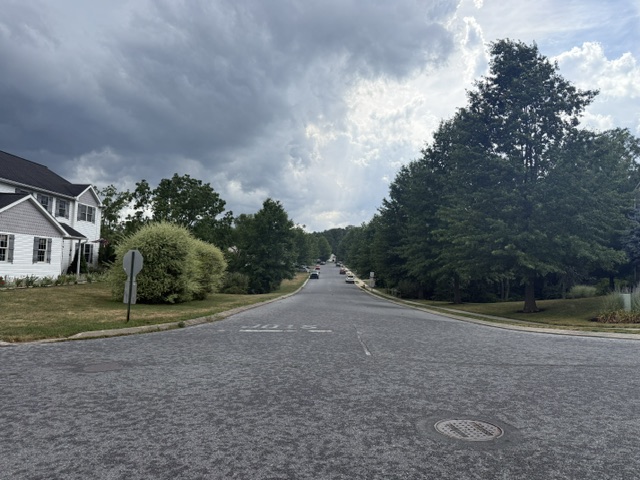
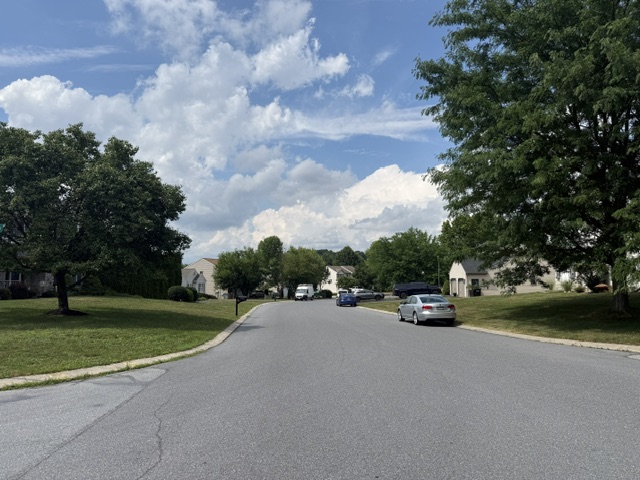
Wheatland Drive in Wheatland Manor


Where Is Wheatland Manor?

Wheatland Manor is located in Myerstown, Pennsylvania, within Lebanon County.

The neighborhood offers convenient access to major routes throughout the region and is situated near local shopping, dining, schools, and other everyday amenities. Its location provides residents with access to both Myerstown and neighboring communities while maintaining a residential setting.

For homebuyers exploring the area, Wheatland Manor represents one of several established residential developments located throughout northern Lebanon County.


Housing Styles in Wheatland Manor

One of the first things I noticed while exploring Wheatland Manor was the variety of homes throughout the community.

The neighborhood includes:

  • Detached single-family homes
  • Ranch-style homes
  • Two-story homes
  • Attached residences with garages

Based on my observations, much of the community appears to have been developed between the late 1990s and early 2000s.

While there are similarities between many of the homes, the neighborhood does not feel entirely uniform. Different elevations, landscaping choices, and housing styles help create visual variety throughout the development.

Homes in Wheatland Manor neighborhood in Myerstown Pennsylvania

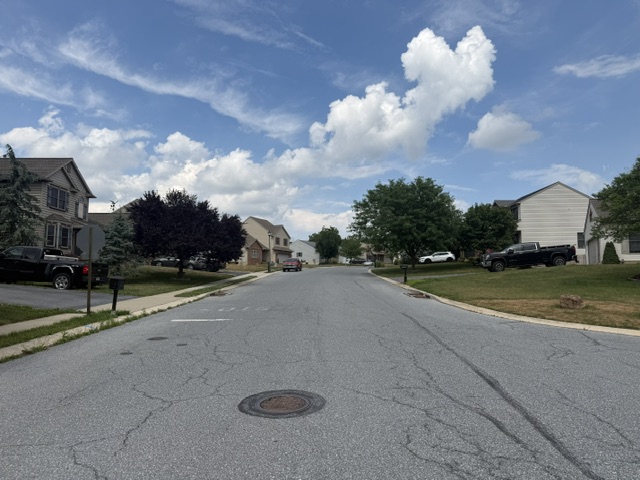
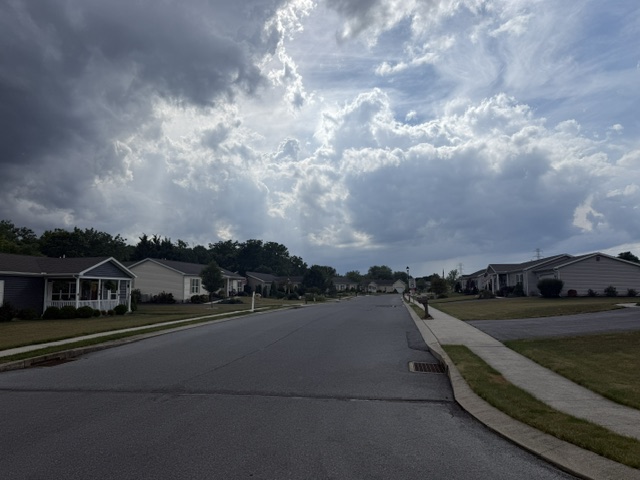
Wide streets, 2 story homes, sidewalks, street lighting.


Streets, Sidewalks, and Neighborhood Layout

Wheatland Manor features wide residential streets that wind through the community rather than following a simple grid pattern.

Throughout the neighborhood, I observed:

  • Sidewalks
  • Street lighting
  • Curved streets
  • Cul-de-sacs
  • Open areas between sections of the community

The development also contains several elevation changes, giving different portions of the neighborhood distinct views and streetscapes.

The overall layout feels established and easy to navigate.

Exploring Wheatland Manor in Lebanon County Pennsylvania Show more lines

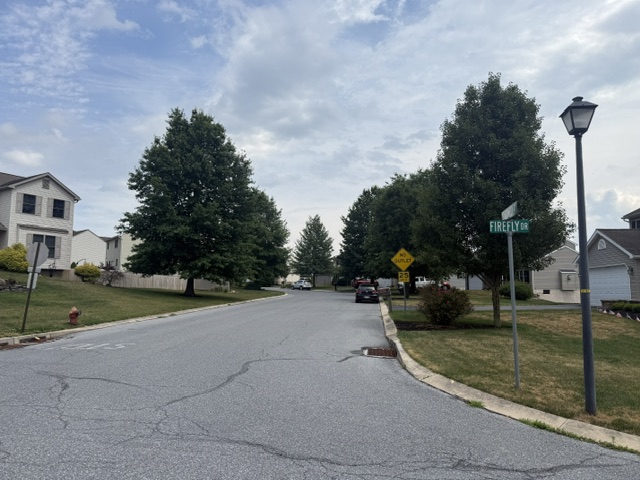
Winding roadways and street signage inside of Wheatland manor


Landscaping and Community Appearance

Another thing that stood out during my visit was the amount of established landscaping throughout Wheatland Manor.

Mature trees, maintained lawns, and open green areas appear throughout the neighborhood. Unlike many newer developments where landscaping is still growing in, Wheatland Manor benefits from having several decades of growth behind it.

This contributes to a more established appearance and adds character to many of the streets.

The community appeared well maintained overall during my visit.

Exploring Wheatland Manor in Lebanon County Pennsylvania Show more lines

Mature trees and street parking on wide roadways in Wheatland Manor


What Stood Out to Me

Every neighborhood has its own personality.

What stood out most to me about Wheatland Manor was the balance between housing variety and consistency.

The community offers different housing styles while still maintaining a cohesive neighborhood appearance. Wide streets, sidewalks, mature trees, and open space help create an inviting residential environment.

I also appreciated the fact that different portions of the neighborhood felt slightly different from one another. Some streets featured larger two-story homes, while other areas included ranch-style homes and attached residences.

Street view of Wheatland Manor in Myerstown PA 4

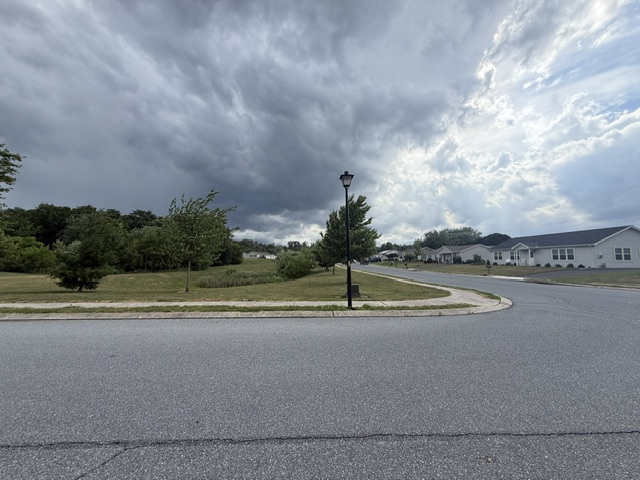
Street lights and open space in Wheatland Manor


My Thoughts

As a REALTOR® serving Berks County and the surrounding region, I enjoy spending time exploring communities and learning what makes each neighborhood unique.

Wheatland Manor was an interesting neighborhood to visit because it combines established housing, mature landscaping, and a variety of home styles within a single development.

While every buyer’s needs are different, visiting neighborhoods in person can often provide insights that aren’t obvious when browsing homes online.

That’s one of the reasons I enjoy creating these community spotlight articles and videos.

Homes in Wheatland Manor neighborhood in Myerstown Pennsylvania

Ranch homes in Wheatland Manor


Watch the Video Tour

If you’d like a closer look at Wheatland Manor, be sure to watch my video tour provided above. The video includes additional footage and photos that provide a better sense of the neighborhood’s layout and character.


Frequently Asked Questions

Where is Wheatland Manor located?

Wheatland Manor is located in Myerstown, Pennsylvania, within Lebanon County.

What types of homes are found in Wheatland Manor?

The community contains a mix of detached single-family homes, ranch-style homes, two-story homes, and attached residences.

When was Wheatland Manor built?

Based on public records and observations, many homes in the community appear to have been constructed between the late 1990s and early 2000s.

Is Wheatland Manor worth exploring?

For buyers interested in the Myerstown area, Wheatland Manor is one of several established residential communities that may be worth considering based on individual needs and preferences.


Thinking About Buying or Selling in Myerstown?

If you’re considering buying or selling a home in Myerstown, Lebanon County, or the surrounding area, I’d be happy to help you learn more about the local market and available opportunities.

Contact Ben Perfetto, REALTOR® with Coldwell Banker Realty, to discuss your real estate goals and explore communities throughout the region.

Q&ASellers July 8, 2026

What Costs Do Sellers Pay in Pennsylvania?


Introduction

When most homeowners think about selling their home, they naturally focus on one number:

“How much can I sell my home for?”

While that’s an important question, it’s also important to understand the costs associated with selling a home.

Many sellers are surprised to learn that there can be several expenses involved in a transaction. Understanding these costs ahead of time can help you better estimate your net proceeds and avoid surprises during the selling process.

The good news is that many of these expenses can be anticipated and planned for before your home ever reaches the market.


Real Estate Brokerage Compensation

One of the most common costs associated with selling a home is the compensation agreed upon between the seller and the brokerage.

Compensation is not set by law and can vary depending on the services being offered and the agreement between the seller and broker.

Before listing your home, it’s important to discuss:

  • Services being provided
  • Marketing strategy
  • Compensation structure
  • Listing agreement terms

Understanding these details upfront can help ensure everyone is on the same page throughout the transaction.


Pennsylvania Realty Transfer Tax

Pennsylvania imposes a realty transfer tax when real estate ownership changes hands.

In many transactions, the transfer tax is commonly divided between the buyer and seller, although this can vary depending on the terms negotiated in the agreement.

The transfer tax can be one of the larger expenses sellers encounter during closing, so it’s important to be aware of it early in the process.


Mortgage Payoff

If you still have a mortgage on the property, the remaining loan balance will generally be paid off at settlement.

While this isn’t typically viewed as a “closing cost,” many sellers forget that the loan balance will be deducted from their proceeds before receiving funds from the sale.

Understanding your remaining mortgage balance can help provide a clearer picture of what you’ll receive at closing.


Seller Concessions

During negotiations, a seller may agree to contribute funds toward certain buyer expenses.

These contributions are commonly referred to as seller concessions.

Depending on the situation, concessions may be used to help cover:

  • Closing costs
  • Loan-related expenses
  • Repairs
  • Other negotiated items

Not every transaction involves concessions, but it’s something sellers should be prepared to discuss.


Repairs and Inspection-Related Costs

After a home inspection, buyers sometimes request repairs, credits, or other concessions.

These requests can vary significantly depending on the condition of the property.

A seller may choose to:

  • Complete repairs
  • Provide a credit
  • Negotiate an alternative solution
  • Decline the request

Every situation is different, but inspection-related negotiations are a normal part of many real estate transactions.


Property Preparation Costs

Some homeowners choose to spend money preparing their home for the market before listing.

Examples may include:

  • Professional cleaning
  • Landscaping
  • Minor repairs
  • Paint touch-ups
  • Staging
  • Decluttering services

Not every home requires these improvements, but investing in presentation can sometimes help attract buyers and improve a property’s overall appeal.


Prorated Property Taxes and Utilities

Certain expenses may be prorated at settlement.

This means costs such as property taxes or other recurring expenses may be adjusted based on the date ownership changes hands.

The exact amounts vary depending on the property’s location and the timing of the sale.


Other Potential Closing Costs

Depending on the transaction, sellers may encounter other expenses, including:

  • Recording fees
  • HOA-related fees
  • Municipal certifications
  • Attorney fees (if applicable)
  • Lender fees associated with paying off a mortgage

The specific costs vary from transaction to transaction.


My Advice

The biggest mistake I see sellers make is focusing entirely on the sale price without thinking about their actual net proceeds.

A $400,000 sale price doesn’t automatically mean you’ll receive $400,000 at closing.

Before listing your home, I recommend having a conversation with your REALTOR® about the potential costs associated with selling. Understanding your estimated proceeds early in the process can make planning for your next move much easier.

The more information you have upfront, the fewer surprises you’ll encounter later.


Frequently Asked Questions

What Is The Biggest Cost Sellers Typically Pay?

For many sellers, the largest expenses are brokerage compensation, transfer taxes, and mortgage payoff amounts.

Do Sellers Pay Closing Costs In Pennsylvania?

Yes. Sellers commonly encounter various closing-related expenses, although the specific costs vary by transaction.

Do Sellers Pay The Pennsylvania Transfer Tax?

In many transactions, the transfer tax is shared between the buyer and seller, though this can be negotiated.

What Are Seller Concessions?

Seller concessions are contributions made by the seller toward certain buyer expenses as part of a negotiated agreement.

How Can I Estimate My Net Proceeds?

A REALTOR® can often provide a seller net sheet or estimate that outlines potential proceeds based on the anticipated sale price and known expenses.


Ready To Sell Your Home?

If you’re considering selling your home in Berks County or anywhere in Pennsylvania, I’d be happy to help you understand potential costs, estimate your proceeds, and develop a strategy that aligns with your goals.

Contact Ben Perfetto, REALTOR® with Coldwell Banker Realty, to discuss your home-selling goals and learn what to expect before listing your property.

Q&ASellers July 7, 2026

Should I Make Repairs Before Selling My Home?


Introduction

One of the most common questions homeowners ask before listing their property is:

“Should I make repairs before selling my home?”

The answer depends on the condition of your property, the local market, the repairs being considered, and your overall goals.

Some repairs can help attract buyers and reduce concerns during inspections. Others may have little impact on the sale price and simply cost you time and money.

The goal isn’t necessarily to make your home perfect before listing it. The goal is to present the property in the best possible light while making smart financial decisions.


Why Repairs Can Help

When buyers walk through a home, they’re often trying to determine how much work they’ll need to do after closing.

Visible maintenance issues can sometimes make buyers wonder whether there are additional problems they haven’t seen yet.

Addressing certain repairs before listing may help:

  • Create a better first impression
  • Increase buyer confidence
  • Reduce objections during showings
  • Limit repair requests after inspections
  • Help the home show more favorably

In many cases, small repairs can make a larger difference than homeowners expect.


Repairs That May Be Worth Considering

Not every repair needs to be completed before selling, but some issues are often worth addressing.

Examples may include:

  • Leaking faucets
  • Loose handrails
  • Damaged drywall
  • Broken light fixtures
  • Missing outlet covers
  • Sticking doors or windows
  • Obvious maintenance concerns

These types of repairs are often relatively inexpensive and can help present the property as well maintained.


Don’t Forget About Curb Appeal

First impressions start before buyers walk through the front door.

Simple improvements to the exterior may help make the property more inviting.

This could include:

  • Mowing the lawn
  • Trimming landscaping
  • Removing clutter
  • Touching up paint
  • Cleaning walkways
  • Improving outdoor appearance

Many buyers form opinions within the first few minutes of seeing a property.


What About Major Renovations?

This is where many homeowners get into trouble.

Some sellers assume they need to completely renovate kitchens, bathrooms, flooring, or other major areas before listing.

In reality, large renovations don’t always provide the return homeowners expect.

Every market is different, and buyer preferences vary significantly.

Before investing thousands of dollars into a major project, it’s often worth discussing the potential return on investment with a REALTOR®.

Sometimes a simpler and less expensive solution can achieve a similar result.


What If I Want To Sell As-Is?

Selling a home as-is is always an option.

Many buyers purchase properties that need repairs, updating, or improvements.

However, sellers should understand that the property’s condition can influence:

  • Buyer interest
  • Offer prices
  • Negotiation opportunities
  • Inspection discussions

Every property is different, and the best strategy often depends on balancing convenience, cost, and potential return.


My Advice

The biggest mistake I see homeowners make is spending money on repairs without first evaluating whether those repairs will actually benefit the sale.

Before starting any project, I recommend speaking with a REALTOR® about your goals and your property’s current condition.

Sometimes a seller can spend a few hundred dollars and significantly improve the home’s presentation.

Other times, a seller may spend thousands of dollars on improvements that don’t substantially affect buyer interest or the final sale price.

The key is understanding where your time and money will have the biggest impact.


Frequently Asked Questions

Do I Need To Fix Everything Before Selling?

No. Very few homes are perfect. The decision to make repairs should be based on the property’s condition, the local market, and your goals as a seller.

Should I Renovate My Kitchen Before Listing?

Not necessarily. Major renovations don’t always produce the return homeowners expect. Every situation is different.

Can I Sell My Home As-Is?

Yes. Many homes are sold as-is, although condition may affect buyer interest, negotiations, and pricing.

What Repairs Do Buyers Notice Most?

Buyers often notice maintenance issues, damaged surfaces, curb appeal concerns, and items that suggest deferred maintenance.

Will Repairs Increase My Home’s Value?

Some repairs may improve buyer perception and marketability, but not every repair results in a dollar-for-dollar increase in value.


Ready To Sell Your Home?

If you’re considering selling your home in Berks County or anywhere in Pennsylvania, I’d be happy to discuss your property’s condition and help you determine which improvements may be worth considering before listing.

Contact Ben Perfetto, REALTOR® with Coldwell Banker Realty, to discuss your home-selling goals and create a plan that fits your situation.

Q&ASellers July 7, 2026

Should I Sell My Home Before Buying Another?


Introduction

One of the most common questions homeowners ask is:

“Should I sell my current home before buying another one?”

It’s a great question, and unfortunately, there isn’t a one-size-fits-all answer.

Some homeowners choose to sell first because it gives them a clearer understanding of what they can afford. Others prefer to buy first because they want to secure their next home before putting their current property on the market.

The best approach depends on your finances, your goals, and the local real estate market.


Why Some Homeowners Choose to Sell First

Selling first can provide certainty.

Once your home is sold, you’ll know exactly how much equity you have available to put toward your next purchase. You’ll also have a better understanding of your budget and may feel more comfortable searching for your next home.

Some potential benefits of selling first include:

  • Knowing how much money you’ll have available for your next purchase
  • Avoiding two mortgage payments at the same time
  • Reducing financial uncertainty
  • Making it easier to qualify for your next loan

For many homeowners, selling first simply feels less stressful because it removes some of the financial unknowns.


Why Some Homeowners Choose to Buy First

Others prefer to purchase their next home before selling their current one.

This approach allows homeowners to secure a property they love before worrying about moving out of their existing home.

Potential benefits of buying first include:

  • More flexibility during the moving process
  • Avoiding temporary housing arrangements
  • More time to prepare your current home for sale
  • The ability to move directly into your next home

Of course, buying first can create additional financial considerations, so it’s important to discuss your options with both a lender and a REALTOR® before moving forward.


What Should You Consider?

Every situation is unique, but there are a few important questions worth asking.

How Much Equity Do You Have?

The amount of equity in your current home may influence your ability to purchase another property before selling.

What Does The Current Market Look Like?

In some markets, homes sell quickly. In others, homes may stay on the market longer.

Understanding local market conditions can help you make a more informed decision.

Do You Need The Proceeds From Your Current Home?

Many homeowners use the equity from their existing property toward the down payment on their next home.

If that’s part of your plan, selling first may be worth considering.

How Comfortable Are You With Risk?

Some people are comfortable carrying two properties for a period of time. Others prefer a more predictable path.

Neither approach is right or wrong. The goal is to choose the strategy that best aligns with your financial situation and comfort level.


My Advice

The biggest mistake I see homeowners make is assuming they have to figure everything out on their own.

You don’t.

A conversation with a REALTOR® and a lender can often help you understand your options long before you’re ready to make a move.

Many homeowners are surprised to learn that there are multiple ways to structure a sale and purchase timeline depending on their goals.

The earlier you begin planning, the more options you’ll usually have available.


Frequently Asked Questions

Can I sell my home and buy another one at the same time?

Yes. Many homeowners successfully coordinate the sale of one property and the purchase of another. Planning ahead is important because timing can play a significant role in the process.

What if I can’t find a home after selling mine?

Some homeowners negotiate additional occupancy time after closing, while others arrange temporary housing. Every situation is different.

Can I buy a home before selling my current one?

Possibly. Your lender can help determine whether you qualify based on your income, debts, assets, and available equity.

Is it better to sell or buy first?

Neither option is automatically better. The right choice depends on your goals, finances, and local market conditions.


Ready To Discuss Your Options?

If you’re thinking about selling your current home and purchasing another one, I’d be happy to help you explore your options and create a plan that fits your goals.

Contact Ben Perfetto, REALTOR® with Coldwell Banker Realty, to discuss your next move.

Community NewsCommunity Pages July 7, 2026

Why Railroads Still Matter in Reading, Pennsylvania

Introduction

I recently visited the Reading Outer Station along Route 61 after learning that Union Pacific’s famous Big Boy locomotive was traveling through the region.

Although I arrived after much of the crowd had dispersed, it was immediately clear that the event had generated significant interest throughout Berks County and beyond. Seeing the station, historic railroad equipment, and station grounds reminded me of something that is easy to overlook in everyday life: railroads played a major role in shaping Reading, Pennsylvania.

For many people, trains are simply part of the landscape. However, for Reading, railroads helped build the city, support local businesses, connect communities, and contribute to the region’s growth for generations.

Reading Railroad Outer Station


Big Boy’s Visit to Reading

The opportunity to see Big Boy attracted railroad enthusiasts and visitors from across the region.

For those unfamiliar with it, Big Boy is one of the most famous steam locomotives ever built and remains a symbol of American railroad history. Its visits often attract large crowds because opportunities to see it in operation are relatively rare.

While I wasn’t able to experience the event at its peak, I was still able to walk the station grounds, observe the remaining setup, and capture footage of the area. Even after much of the activity had concluded, it was obvious that the event had brought significant attention to the station and the area’s railroad heritage.

Events like this demonstrate something interesting: people still care about railroad history.

Railroad Infrastructure


Reading’s Railroad Heritage

Railroads have been connected to Reading for generations.

The city’s growth was closely tied to transportation and industry, and railroads played an important role in moving materials, manufactured goods, and people throughout Pennsylvania and beyond. Long before modern highways became the primary transportation network, trains helped connect communities and support economic growth.

Many local residents are familiar with the historic connection between Reading and the railroad industry. Even today, railroad infrastructure remains visible throughout the city and serves as a reminder of a period when rail transportation was one of the driving forces behind regional development.

The Reading Outer Station and Reading Railroad Heritage Museum help preserve that history and provide visitors with a chance to learn more about the people, equipment, and innovations that helped build the region.

Locomotive and Water Tower


Why Railroads Still Matter Today

It would be easy to think of railroads as something that belongs entirely to the past, but their influence can still be seen today.

Transportation infrastructure has always played a major role in how communities grow and develop. Whether discussing roads, railroads, airports, or public transit, access and connectivity remain important factors in economic activity and community development.

Railroads continue to spark conversations about transportation, redevelopment, tourism, and regional growth. Historic stations, rail corridors, museums, and preservation efforts help keep local history alive while also creating opportunities for education and community engagement.

The large turnout for Big Boy’s visit demonstrated that interest in railroad heritage remains strong. People are still willing to gather, learn, and celebrate a piece of history that helped shape the communities they live in today.

Reading Passenger Rail


My Thoughts

As a REALTOR® serving Berks County, I spend a lot of time learning about the communities I work in.

Visiting the Reading Outer Station reminded me that many of the things we see around us today—including transportation infrastructure, commercial development, and neighborhood growth—didn’t happen by accident. They were influenced by generations of investment, planning, and economic activity, much of which was supported by the railroad.

Understanding local history helps provide context for where a community has been and where it may be headed in the future.

Reading continues to evolve, but its railroad heritage remains an important part of its identity. Events like this are a reminder that local history still matters and that many residents continue to take pride in preserving it.

Reading Locomotive


Interested in Learning More About Reading, PA?

If you’re considering buying or selling a home in Reading or anywhere in Berks County, I’d be happy to help you learn more about the local market and the communities that make this area unique.

Contact Ben Perfetto, REALTOR® with Coldwell Banker Realty, to discuss your real estate goals and learn more about living in Reading, Pennsylvania.

Guides July 2, 2026

Pennsylvania Ultimate Home Selling Guide


Introduction

Selling a home is a major decision, and for many homeowners, it can feel just as overwhelming as buying one.

Between determining a price, preparing the property, coordinating showings, reviewing offers, and planning your next move, there are a lot of moving parts involved. The good news is that understanding the process ahead of time can make the experience much less stressful.

The purpose of this guide is to provide a simple overview of the home selling process in Pennsylvania and help you understand what to expect from start to finish.

Every home, seller, and transaction is different. However, most successful sales follow a similar path. Understanding that path can help you approach the process with confidence and make informed decisions along the way.

*This guide is designed for Pennsylvania homeowners and is intended to provide a general overview of the home selling process. Every transaction is unique, but understanding the major steps can help you navigate the process with greater confidence.


Step 1: Understand Your Goals

Before discussing price, marketing, or showings, it’s important to understand why you’re selling. Identify what is most important to you.

Some common reasons homeowners decide to sell include:

  • Relocating for work
  • Upsizing for a growing family
  • Downsizing
  • Retirement
  • Investment changes
  • Lifestyle changes

Understanding your goals helps shape every decision that follows.

For example, a seller who needs to relocate quickly may approach pricing differently than someone who is willing to wait for the right opportunity.

The more clearly you understand your goals, timeline, and priorities, the easier it becomes to create a strategy that supports them.


Step 2: Understand Your Home’s Market Value

One of the first questions most homeowners ask is:

“How much is my home worth?”

While websites such as Zillow, Realtor.com, and others offer automated home value estimates, it’s important to understand their limitations.

Online estimates can provide a starting point, but these systems have never walked through your home. They don’t know:

  • The condition of the property
  • Recent upgrades
  • Deferred maintenance issues
  • Unique features
  • Renovations
  • Improvements made over the years

In addition, many automated valuations do not clearly show every comparable sale used to determine their estimate, which can make it difficult to verify the accuracy of the number provided.

A professional market analysis takes a closer look at recent sales, current market conditions, property features, and local trends to provide a more complete picture of value.

Determining value is both a science and an art. The goal is to understand what buyers may realistically be willing to pay in today’s market.


Step 3: Begin Planning Your Next Move

Many sellers spend so much time focusing on selling that they forget to prepare for what comes next.

Before listing your home, consider:

  • Will you be buying another home?
  • Will you be relocating?
  • Will you be renting temporarily?
  • Do you need temporary housing?
  • Do you have a target move date?

Having a plan for your next living arrangement can help reduce stress later in the process.

I’ve found that the smoothest transactions often occur when sellers begin thinking about both sides of the move rather than simply focusing on getting their current home sold.


Step 4: Prepare Your Home for the Market

First impressions matter.

Buyers often make decisions quickly, and the way a home presents itself can influence how buyers perceive its value.

Before listing, consider:

  • Decluttering
  • Deep cleaning
  • Minor repairs
  • Touch-up paint
  • Exterior maintenance
  • Improving curb appeal

The goal isn’t necessarily to make your home perfect.  The goal is to help buyers focus on the property’s strengths while minimizing distractions.

Small improvements can sometimes make a significant difference in how a home is perceived by potential buyers.


Step 5: Pricing Your Home

Pricing is one of the most important decisions you’ll make during the selling process.

Many homeowners naturally want to achieve the highest possible price. However, pricing a home significantly above market value can sometimes reduce buyer interest and lead to longer market times.

At the same time, pricing too low may leave money on the table.

Effective pricing considers:

  • Current market conditions
  • Comparable sales
  • Competing listings
  • Property condition
  • Buyer demand

Pricing isn’t guesswork.  It’s a strategy designed to attract qualified buyers while helping you achieve your goals.


Step 6: Marketing Your Home

Once your home is ready and properly priced, it’s time to introduce it to the market.

Today’s buyers use a variety of resources when searching for homes, which means exposure matters.

Marketing may include:

  • Professional photography
  • MLS exposure
  • Online marketing
  • Social media promotion
  • Property descriptions
  • Buyer outreach
  • Open houses

The goal of marketing is to help the right buyers discover your property and encourage them to schedule a showing.  A strong marketing plan creates opportunities for buyers to learn about your home and envision themselves living there.

At Coldwell Banker Realty, various marketing strategies can be introduced based on a homeowner’s situation.  A Coldwell Banker agent can identify what resources can help the home sell.

A few of these include:

  • Listing Concierge
    • Professional photography
    • Postcards
    • Circle mailing
    • Magazine article
    • Television and internet ads
  • Market Ready Concierge
    • Home renovation financing
    • No money owed until the home sells or 12 months
    • Choose your own service providers
    • Unsecured loan which does not encumber the property
  • Transaction Concierge
    • Client Experience Specialist team
    • Follow-ups and deadline tracking
    • Keeps the process moving smoothly once your home is under contract

These are only some of the benefits of each resource, and a fraction of what a Coldwell Banker agent can provide to a homeowner.

Your agent, regardless of who their broker is, should be aware of what can market the property most effectively.


Step 7: Showings and Open Houses

Once your property is active, buyers may begin scheduling showings.  For many sellers, this is one of the most challenging parts of the process.

Showings may require:

  • Flexible scheduling
  • Keeping the property clean
  • Temporary adjustments to daily routines
  • If animals are involved, proper relocation or protection of your animals

While it can sometimes feel inconvenient, making the home accessible to buyers can increase opportunities for offers.

The easier it is for qualified buyers to view the property, the more opportunities there may be to generate interest.


Step 8: Receiving and Reviewing Offers

Receiving an offer is exciting, but it’s important to remember that price is only one part of the equation.

When reviewing offers, sellers may consider:

  • Purchase price
  • Financing terms
  • Contingencies
  • Settlement timeline
  • Seller concessions
  • Overall strength of the offer

The highest offer isn’t always the strongest offer.  Sometimes factors such as financing, timing, and contingencies can significantly impact the likelihood of a successful closing.

Understanding the complete picture can help sellers make informed decisions.


Step 9: Negotiations

Many sellers assume negotiations only involve the purchase price.  In reality, negotiations can occur throughout various stages of the transaction.

Topics commonly negotiated include:

  • Purchase price
  • Inspection issues
  • Repair requests
  • Settlement dates
  • Seller concessions
  • Included personal property

The goal isn’t necessarily to “win” every negotiation.  The goal is to reach an agreement that allows the transaction to move forward while protecting your interests.

Good communication and realistic expectations often play an important role in reaching successful outcomes.


Step 10: Home Inspection

Once a property is under contract, buyers may conduct inspections depending on the terms of the agreement.  The purpose of the inspection is to help buyers better understand the condition of the property.

Following the inspection, buyers may:

  • Request repairs
  • Request credits
  • Ask questions about certain findings
  • Move forward without requests

Not every issue discovered during an inspection becomes a negotiation point.

Many transactions move forward successfully after buyers and sellers discuss available options.


Step 11: Appraisal

If the buyer is obtaining financing, an appraisal may be required by the lender.

The appraisal is used to help determine the property’s market value.  Most appraisals move forward without issue, but occasionally challenges can arise if the appraised value differs from the contract price.  When that happens, buyers and sellers may need to discuss available options and determine how they would like to proceed.

Fortunately, your real estate professional can help explain the situation and possible paths forward.


Step 12: Final Preparations Before Closing

As settlement approaches, there are still a few important details to address.

This may include:

  • Scheduling movers
  • Transferring utilities
  • Updating your address
  • Gathering keys and garage door openers
  • Completing agreed-upon repairs
  • Final cleaning

Preparing early can help make moving day much less stressful.

The final week before closing tends to move quickly, so organization can make a big difference.


Step 13: Settlement Day

Settlement day is the finish line.  This is when ownership officially transfers from the seller to the buyer.  You’ll review documents, sign paperwork, and complete the transaction.

Once settlement is complete, you’ll be ready to move on to the next chapter of your life.

While the process can seem overwhelming at the beginning, many sellers find that having a plan and understanding what to expect makes the experience much more manageable.


Frequently Asked Questions

How Long Does It Take to Sell a Home?

Every sale is different. Factors such as pricing, market conditions, location, and property condition can all affect how long the process takes.

Should I Make Repairs Before Listing?

Not always. Some repairs may improve buyer interest, while others may have little impact. Every property is different.

What Costs Do Sellers Typically Pay?

Costs vary by transaction but may include commissions, transfer taxes, closing expenses, and other transaction-related fees.

Can I Sell My Home and Buy Another at the Same Time?

Yes. Many homeowners successfully coordinate the sale of one property and the purchase of another, although planning is important.

What If My Home Appraises Below the Contract Price?

Buyers and sellers may discuss various options depending on the circumstances and the terms of the contract.

Do I Need a REALTOR® to Sell My House?

No. Homeowners are not required to work with a REALTOR® when selling a property.

However, many sellers choose to work with a REALTOR® for assistance with pricing, marketing, negotiations, contracts, showings, inspections, and transaction management throughout the process.

Should I Sell My Home Before Buying Another?

There is no one-size-fits-all answer. Some homeowners choose to sell first so they know exactly how much money they have available for their next purchase, while others prefer to buy first to secure their next home before selling. The best approach depends on your finances, market conditions, and overall goals.


My Advice

The biggest mistake I see sellers make is focusing entirely on the highest possible price while ignoring preparation, timing, condition, and buyer expectations.  The most successful sales often happen when sellers have realistic expectations, a clear plan, and a strategy that supports their goals.

I also encourage homeowners to start planning earlier than they think they need to.  Many of the best decisions in real estate are made before a property ever reaches the market.

The sooner you begin gathering information, understanding your options, and preparing for your next move, the smoother the process is likely to be.


Ready to Sell Your Home?

If you’re considering selling your home in Berks County or anywhere in Pennsylvania, I’d be happy to answer your questions and help you understand your options.

Contact Ben Perfetto, REALTOR® with Coldwell Banker Realty, to discuss your home-selling goals and take the next step toward a successful sale.

Guides July 2, 2026

Pennsylvania Ultimate Home Buying Guide


Introduction

Buying a home can feel overwhelming, especially if you’ve never done it before.

Between financing, home searches, inspections, paperwork, and deadlines, it’s easy to feel like there’s a lot to learn. The good news is that you don’t have to figure everything out on your own.

The purpose of this guide is to give you a simple overview of the home buying process in Pennsylvania and help you understand what to expect from start to finish.

Every transaction is different, but most home purchases follow a similar path. Understanding that path can make the process feel much less intimidating.

*This guide is designed for Pennsylvania homebuyers and is intended to provide a general overview of the home buying process. Every transaction is unique, but understanding the major steps can help you approach the process with confidence.

Step 1: Understand Your Finances

Many people start looking at homes before understanding what they can comfortably afford.

Before you begin searching for properties, it’s important to take a look at your financial situation. This includes your income, debts, savings, and overall goals.

Don’t assume you need perfect credit or a huge down payment. Many buyers are surprised to learn they may qualify sooner than they expected.

Before moving forward, you should understand:

  • Your credit profile
  • Your savings
  • Your monthly budget
  • Your short-term and long-term goals

Related Articles:


Step 2: Get Pre-Approved

A mortgage pre-approval helps you understand what you may be able to purchase before you begin shopping for homes.  Many buyers make the mistake of falling in love with a home before talking to a lender.

A pre-approval can help you:

  • Understand your budget
  • Strengthen your offers
  • Identify potential issues early
  • Shop with confidence

Even if you’re not ready to buy today, speaking with a lender can help you understand what steps may be needed to prepare.


Step 3: Find the Right REALTOR®

Buying a home is more than simply scheduling showings.

Your REALTOR® should help you:

  • Understand the process
  • Identify opportunities
  • Explain contract timelines
  • Coordinate inspections
  • Negotiate on your behalf
  • Help you navigate unexpected challenges

The best REALTOR® for you is someone you trust and feel comfortable communicating with throughout the transaction.


Step 4: Start Your Home Search

This is the part most buyers look forward to.

As you begin touring homes, you’ll quickly discover that every property comes with tradeoffs.

A home may have:

  • The perfect location
  • The right number of bedrooms
  • A large yard

but not every feature on your wish list.  That’s normal.

I encourage buyers to focus on needs first and wants second. Prioritizing what matters most can make the decision-making process much easier.


Step 5: Tour Homes and Ask Questions

When viewing properties, look beyond paint colors and furniture.

Pay attention to things such as:

  • Overall condition
  • Layout
  • Maintenance
  • Storage space
  • Parking
  • Exterior features

Don’t be afraid to ask questions throughout the process.

A home purchase is a major financial decision, and understanding what you’re looking at is important.


Step 6: Submit an Offer

Once you’ve found a home you’d like to purchase, it’s time to submit an offer.  Many buyers assume the offer is just the purchase price, but there are often several factors involved.

An offer may include:

  • Purchase price
  • Settlement timeline
  • Contingencies
  • Seller concessions
  • Earnest money deposit

Every situation is different, which is why understanding your goals before making an offer is important.


Step 7: Negotiations

Many people think negotiations are all about price. In reality, there are often many moving parts involved in a transaction.

Depending on the situation, negotiations may involve:

  • Purchase price
  • Inspections
  • Repair requests
  • Settlement dates
  • Seller concessions
  • Included personal property

The goal isn’t always to “win.” The goal is to reach an agreement that helps move everyone toward a successful closing.

Good communication and realistic expectations often make a bigger difference than aggressive negotiation tactics.


Step 8: Home Inspection

The home inspection is one of the most important parts of the transaction.

Inspections help buyers better understand the condition of the property before closing.

An inspector may evaluate areas such as:

  • Roof
  • Electrical systems
  • Plumbing
  • Heating and cooling systems
  • Structure
  • General maintenance concerns

Not every issue discovered during an inspection is a deal-breaker.

The inspection’s purpose is to provide information so buyers can make informed decisions.


Step 9: Appraisal and Final Loan Approval

While inspections are occurring, your lender continues working behind the scenes.

If required by the lender, an appraisal will be ordered to determine the property’s market value.

At the same time, your lender will continue reviewing documentation as the loan moves toward final approval.

This stage can feel quiet, but a lot is happening in the background.


Step 10: Final Walkthrough

Shortly before settlement, buyers typically conduct a final walkthrough.

This is an opportunity to verify:

  • The home is in the expected condition
  • Agreed-upon repairs have been completed
  • Included items remain with the property

It’s essentially a final check before ownership changes hands.


Step 11: Settlement Day

Settlement day is when ownership officially transfers from the seller to the buyer.

You’ll review documents, sign paperwork, and complete the transaction.  Once everything is finalized, you’ll receive the keys to your new home.

While the process can seem complicated at the beginning, most buyers find that having the right team and a clear understanding of the process makes everything much more manageable.


Frequently Asked Questions

How long does it take to buy a home?

Every transaction is different, but many purchases take several weeks from contract acceptance to closing.

Do I need a 20% down payment?

No. Many buyers purchase homes with significantly less than 20% down depending on the loan program they qualify for.

Should I talk to a REALTOR® or a lender first?

Either can be a great starting point. The important thing is starting the conversation.

Can I buy a home with student loan debt?

Many buyers purchase homes while carrying student loan debt. Eligibility depends on the overall financial picture.

What happens if issues are found during the inspection?

Many transactions continue successfully after inspections. Buyers, sellers, and their representatives can discuss available options depending on the situation.

Do I Need a REALTOR® to Buy a Home?

While buyers are not required to work with a REALTOR®, many choose to do so because a REALTOR® can help explain the process, coordinate inspections, negotiate terms, and guide them through the transaction from start to finish.


My Advice

The biggest mistake I see buyers make is waiting for the “perfect” time.

They wait for:

  • Perfect credit
  • Perfect rates
  • Perfect market conditions
  • Perfect savings

The truth is that very few buyers feel completely ready.  The best first step is simply gathering information and creating a plan. The perfect time may never come. I like to say, “there is no better time than now.”

Even if you’re months away from purchasing, understanding your options today can help you move toward your goals with confidence.


Ready to Start Your Home Buying Journey?

If you’re considering purchasing a home in Berks County or anywhere in Pennsylvania, I’d be happy to answer your questions and help you understand the process.

Contact Ben Perfetto, REALTOR® with Coldwell Banker Realty, to discuss your homeownership goals and take the next step toward buying a home.